Hola amigos DERMAGICOS. El tema de este mes sobre la VIRUELA, pareciera
no tener mucha importancia, si analizamos que esta enfermedad FUE
DECLARADA ERRADICADA DEL planeta para el año 1.980, por cierto año en
que dejó de vacunarse contra la enfermedad.
En el año de 1.998 hice una revisión sobre el mismo tema, que titule:
LA VIRUELA LA GUERRA QUE AÚN NO GANAMOS.
Para aquella oportunidad manifesté mediante algunos artículos la
posibilidad de que este MORTÍFERO VIRUS pudiese ser utilizado como un
ARMA DE GUERRA. Para aquel
momento pocas referencias bibliográficas sobre tal situación existían en
la red. Hace unas semanas viaje a la red y cual fue mi sorpresa al
encontrar numerosos comentarios donde se menciona esta
POSIBILIDAD.
202 años después de descubierta la vacuna por EDWARD JENNER y 21 años
después de la última muerte oficial producida por la enfermedad
(La periodista Janet Parker), también del último caso reportado
(Ali Maalin), y de DECRETADA LA DESAPARICIÓN DE LA VIRUELA DEL PLANETA TIERRA, la
sombra de
UNA POSIBLE ESCAPADA del VIRUS
a la "CALLE" de la población mundial, este posibilidad está cada día
más cercana. Los hechos que soportan esto:
De donde sacaron la VACUNA ?. si LOS DOS (2) ÚNICOS PAÍSES LEGALMENTE
RECONOCIDOS como poseedores de STOCKS de virus de la VIRUELA SON
USA Y RUSIA.
Tráfico de vacunas. ???
Se cree que durante estos años se mantuvo vivo en el medio natural en
animales, presentando polimorfismos y ahora emerge en el ganado y
ordeñadores COMO EL CANTALAGO VIRUS (CTGV).
Se reporta este hecho como el primer caso
de persistencia por largo periodo de tiempo del virus DE LA VACCINIA EN
EL NUEVO MUNDO.
De modo que queda demostrada en esta SEGUNDA revisión BIBLIOGRÁFICA que
lo del VIRUS DE LA VIRUELA NO ES UNA FANTASÍA,
ES UNA REALIDAD. y nuestras AUTORIDADES Y LA OMS creó se hacen la vista
CIEGA ante este hecho. Humildemente pienso que no están ACTUANDO EN
FAVOR DE LA HUMANIDAD, sino de intereses creados.
Dr. José Lapenta R.
EDITORIAL ENGLISH:
===================
Hello DERMAGIC'S friends. The topic of this month on the SMALLPOX,
seemed to not have a lot of importance, if we analyze that this
illness was DECLARED ERADICATED OF THE planet for the year 1.980, by
the way year in that I stop to be vaccinated against the
illness.
In the year of 1.998 I made a revision on the same topic that titles:
THE SMALLPOX THE WAR THAT WE HAVE NOT STILL WON. For that opportunity I show by means of some articles the
possibility that this MURDEROUS VIRUS can be used as a
ARMS OF WAR. For that moment few bibliographical references on such a situation
existed in the net. Some weeks ago trip to the net, and which my
surprise went when finding numerous comments where this POSSIBILITY is
mentioned.
202 years after discovered
the vaccine for EDWARD JENNER
and 21 years after it finishes it official death taken place by the
illness
(journalist Janet Parker), also of the I finish reported case
(Ali Maalin), and of having DECREED
THE DISAPPEARANCE OF THE SMALLPOX OF THE EARTH PLANET, the shade of A POSSIBLE ESCAPE of the VIRUS to the world
population's "STREET" IT is every day but near. The facts that support
this:
1.) Since eradicates the illness they were STOCKS
of virus of the SMALLPOX officially recognized in RUSSIA and UNITED STATES.
But now it is known that the Arab countries also have it.
2.) He had THOUGHT (WHO) ABOUT the TOTAL destruction OF THE VIRUS
initially for the year of 1.995. Later on the WHO defers it for the
end of june 1.999. Recently the president of USA refused to eliminate
them. In May 22 of that year (1.999) it has NOTICED THE DATE for the
destruction IT will be THE YEAR 2.002. (it was not fulfilled).
The virus reservoirs are held by the TWO WORLD POWERS, (USA and RUSSIA),
it is also believed that the
ARAB countries have reservoirs
of the VIRUS, but this fact cannot be verified.
3.) The ISRAELI MILITARY force vaccinate to THEIR SOLDIERS
against the SMALLPOX among the years 1.991 and 1.996. Why it happened
this event? IF THE WHO DECLARES AGO but of 20 YEARS THAT THE SMALLPOX
OUT of THE EARTH was.
where they took out the VACCINE ?, if THE two(2) ONLY COUNTRIES
OFFICIALLY recognized as possessors of STOCKS of virus of the SMALLPOX
is it USA AND RUSSIA.
I traffic of vaccines. ???
4.) The virus of the SMALLPOX belongs to the family of the
ORTHOPOXVIRUS,
(monkeypox, cowpox, sheeppox, fowlpox, goatpox, camelpox, skunkpox,
raccoonpox, taterapox, yaba pox, tanapox and other). Among these he is
the virus CAMELPOX, (pock of the camels) who produces a very SIMILAR
illness TO the smallpox in human.
THIS it was used AS BIOLOGICAL weapon IN THE WAR OF THE PERSIAN
GULF IN 1.991.
5.) The Poxviruses continues being a great threat for the human
health.
Monkeypox is endemic in central Africa, and the interruption of the
vaccination (with virus of the vaccinia) it has caused in most from
the human vulnerability to the virus agent of THE SMALLPOX, reason why
this it can be used in
A BIOLOGICAL WAR OR BIOTERRORISM.
6.) Recently in BRAZIL in the year 2.000
had a bud of contamination for POXVIRUS in milkers and cows, this
VIRUS was denominated CANTALAGO VIRUS (CTGV), which for tests of PCR
determines that it was
almost exactly same in its genetic sequence TO the strain of the
VIRUS OF THE VACCINIA (VV) used in the VACCINE for the
SMALLPOX
(VV-IOC) 20 YEARS AGO in BRAZIL.
It is believed that during these years he stayed I live in the natural
means in animals, accumulating polymorphisms and now it emerges in the
cows and milkers LIKE THE CANTALAGO VIRUS (CTGV).
This fact is reported as the first case of persistence
by long period of time of the virus OF THE VACCINIA IN THE NEW
WORLD.
7.) In the year 1.999 IN UNITED STATES it was THOUGHT THE
POSSIBILITY
of the use of the VIRUS OF THE SMALLPOX
LIKE BIOLOGICAL WEAPON. It also THOUGHT about THE HYPOTHETICAL CONSEQUENCES of a disaster
taken place by the SMALLPOX.
8.) For that same year in 1.999 in GERMANY develops a vaccine
against the SMALLPOX WITH A vaccine denominated ATTENUATED VIRUS MVA,
which has less secondary effects than the classic vaccine.
9.) For the year 2.00 the RUSSIANS report the accidental
exposure of some from their soldiers to the virus of the
SMALLPOX.
10.) In November 20 of the year 2.000 in the face of the possible
risk
of a terrorist attack with virus of the SMALLPOX in UNITED STATES the
CDC DE ATLANTA decided with the company producer of vaccines ORAVAX to
produce a
new vaccine against the SMALLPOX.
11.) The most spectacular of this revision it constitutes it the
last reference
published in 1.999 and in the year 2.000:
THE SMALLPOX, an ATTACK SCENARIO. Which outlines CRUDELY that it would happen in STATES UNITED DAY
PER DAY, if the SMALLPOX it arrives IN THAT COUNTRY... and what it
would pass IN OTHER COUNTRIES.?
12.) For some laboratories it would be A GREAT BUSINESS
THAT THE SMALLPOX came out for the "street", because there would BE A
DANCE OF MILLIONS with the vaccine. On the other hand, FOR SOME
NATIONS, it would be good that some died to diminish the world
overpopulation, sad REALITY.
So that it is demonstrated in this second BIBLIOGRAPHICAL revision
that the
VIRUS OF THE SMALLPOX IS NOT A FANTASY,
it is A REALITY. and our AUTHORITIES AND THE OMS, I believe they are
made the BLIND view before this fact. sincerely I think that they are
not ACTING IN FAVOR OF THE HUMANITY, but of created interests.
The logical behavior in the face of this risk is to recapture THE
VACCINATION TO the whole susceptible WORLD population, sew difficult, because the
BIG BOSSES of the OMS that direct these projects acted ALONE WHEN he
FALLS THE FIRST victim one THE SMALLPOX KILLS, and when this happens,
maybe too much late....
If this FACT happens,
LET'S HOPE NOT, think about this article, DERMAGIC EXPRESS told you so...
In the 92 references THE FACTS...
Greetings to all,
Dr. José Lapenta,
================================================================
REFERENCIAS BIBLIOGRÁFICAS / BIBLIOGRAPHICAL REFERENCES
================================================================
LA VIRUELA II, LA GUERRA QUE AÚN NO GANAMOS.
THE SMALLPOX II, THE WAR THAT WE HAVE NOT STILL WON.
================================================================
A.- Life and death of smallpox (2022).
B.- Smallpox as a biological weapon: implications for the
critical care clinician (2003).
C.- Biological Weapon Toxicity (2024).
D.- Bioterrorism (2021).
E.- Smallpox as a Bioagent: A Refresher and Update for the SOF
Provider (2022).
================================================================
1.) Edward Jenner and the Discovery of Vaccination
2.) Vaccines in historic evolution and perspective: a narrative of
vaccine discoveries.
2.) Montagu's variolation.
3.) [Pharmaceutical development concerning diseases predominating in
tropical regions: the concept of indigent drugs].
4.) Smalllpox and its control in Canada.
5.) Vaccines in historic evolution and perspective: a narrative of
vaccine discoveries.
6.) Production of recombinant subunit vaccines: protein immunogens,
live delivery systems and nucleic acid vaccines.
7.) [Two hundred years ago: the first smallpox vaccinations in
Vienna].
8.) Edward Jenner's Inquiry; a bicentenary analysis.
9.) The myth of the medical breakthrough: smallpox, vaccination, and
Jenner reconsidered.
10.) Smallpox: gone but not forgotten.
11.) Edward Jenner and the eradication of smallpox.
12.) Cowpox: a re-evaluation of the risks of human cowpox based on new
epidemiological information.
13.) Smallpox: the triumph over the most terrible of the ministers of
death.
14.) [Smallpox: an historical review].
15.) Academic surgeons, take heart: the story of a student, his
mentor, and the discovery of the etiology of angina pectoris.
16.) The Jenner bicentenary: the introduction and early distribution
of smallpox vaccine.
17.) The smallpox saga and the origin(s) of vaccination.
18.) Measuring success in clinical gene therapy research.
19.) [Jenner's cowpox vaccine in light of current vaccinology].
20.) Controlling orthopoxvirus infections--200 years after Jenner's
revolutionary immunization.
21.) Traditional methods used for controlling animal diseases in Iran.
22.) Smallpox: emergence, global spread, and eradication.
23.)Gordon memorial lecture. Vaccines and vaccination--past, present
and future.
24.) New approaches in viral vaccine development.
25.) The global eradication of smallpox.
26.) [The world is free of pox - Implementation and success of a
grandiose program].
27.) Farewell to smallpox vaccination.
28.) [Smallpox vaccine, then and now. From the "cow lymphe" to the
cell-culture vaccine].
29.) Vaccinia virus inhibitors as a paradigm for the chemotherapy of
poxvirus infections.
30.) Global health strategies versus local primary health care
priorities--a case study of national immunisation days in Southern
Africa.
31.) Are Saudi Arabian hospitals prepared for the threat of biological
weapons?
32.) [Smallpox in Telemark in the last part of the 19th century].
33.) Monkeypoxvirus infections.
34.) [Bioterrorism--a public and health threat].
35.) Ensuring vaccine safety in immunization programmes--a WHO
perspective.
36.) The threat of smallpox and bioterrorism.
37.) Inmmune response to vaccinia virus is significantly reduced after
scarification with TK- recombinants as compared to wild-type virus.
38.) Aeromedical evacuation of biological warfare casualties: a
treatise on infectious diseases on aircraft.
39.) An emergent poxvirus from humans and cattle in Rio de Janeiro
State: Cantagalo virus may derive from Brazilian smallpox vaccine.
40.) [20 years without smallpox].
Epidemiol Mikrobiol Imunol 2000 Aug;49(3):95-102 Related
41.) [Circulation of virus and interspecies contamination in wild
animals].
42.) [Eradication of smallpox, already 20 years ago].
43.) 'Bacilli and bullets': William Osler and the antivaccination
movement.
44.) A pediatrician's view. Skin manifestations of bioterrorism.
45.)Accidental exposure to smallpox vaccine, Russian Federation.
46.) [Antiviral vaccines].
47.) [Biohazards due to Orthopoxvirus: should we re-vaccinate
against smallpox]?
48.) Long-term protective immunity to rinderpest in cattle following
a single vaccination with a recombinant vaccinia virus expressing
the virus haemagglutinin protein.
49.) Adverse reactions to smallpox vaccine: the Israel Defense Force
experience, 1991 to 1996. A comparison with previous surveys.
50.) Smallpox: a possible public health threat, again.
51.) Graves' disease presenting as localized myxoedematous
infiltration in a smallpox vaccination scar.
52.) ["Biological weapons"--the return of epidemics]?
53.) Adventures with poxviruses of vertebrates.
54.) The cost of disease eradication. Smallpox and bovine
tuberculosis.
55.) The threat of biological terrorism: a public health and
infection control reality.
56.) Alastrim smallpox variola minor virus genome DNA sequences.
57.) The role of the clinical laboratory in managing chemical or
biological terrorism.
58.) Cidofovir protects mice against lethal aerosol or intranasal
cowpox virus challenge.
59.) The threat of bioterrorism: a reason to learn more about
anthrax and smallpox.
60.) Demographic impact of vaccination: a review.
61.) Lessons from the eradication campaigns.
62.) [Smallpox dilemma].
63.) Paramunity-inducing effects of vaccinia strain MVA.
64.) [Historical review of smallpox, the eradication of smallpox and
the attenuated smallpox MVA vaccine].
65.)Current Status of Smallpox Vaccine
66.) Production of recombinant subunit vaccines: protein immunogens,
live delivery systems and nucleic acid vaccines.
67.) Natural history and pathogenesis as they affect clinical
trials.
68.) BERNA: a century of immunobiological innovation.
69.) Immune modulation by proteins secreted from cells infected by
vaccinia virus.
70.) Smallpox: Clinical and Epidemiologic Features
71.) Nature, nurture and my experience with smallpox eradication.
72.) Vaccines in civilian defense against bioterrorism.
73.) Smallpox eradication. Destruction of variola virus stocks.
74.) [Attempts to inoculate against plague in the eighteenth and
nineteenth centuries].
75.) Adventures with poxviruses of vertebrates.
76.) Smallpox as a biological weapon: medical and public health
management. Working Group on Civilian Biodefense.
77.) A variant of variola virus, characterized by changes in
polypeptide and endonuclease profiles.
78.) Eradication of vaccine-preventable diseases.
79.) President revokes plan to destroy smallpox.
80.) Re-emergence of monkeypox in Africa: a review of the past six
years.
81.) Scientists split on US smallpox decision.
82.) Smallpox preservation advisable.
83.) The major epidemic infections: a gift from the Old World to the
New?
84.) New technologies for vaccines.
85.) Aftermath of a hypothetical smallpox disaster.
86.) Strengthening National Preparedness for Smallpox: an Update
87.) Smallpox: An attack scenario.
=============================================================
=============================================================
1.) Edward Jenner and the Discovery of Vaccination
=============================================================
originally exhibited spring 1996
Thomas Cooper Library, University of South Carolina
text by Patrick Scott
hypertext by Jason A. Pierce
Edward Jenner
Introduction
-------------
The year 1996 marked the two hundredth anniversary of Edward Jenner's
first experimental vaccination--that is, inoculation with the related
cow-pox virus to build immunity against the deadly scourge of
smallpox.
Edward Jenner (1749-1823), after training in London and a period as an
army surgeon, spent his whole career as a country doctor in his native
county of Gloucestershire in the West of England. His research was
based on careful case-studies and clinical observation more than a
hundred years before scientists could explain the viruses themselves.
So successful did his innovation prove that by 1840 the British
government had banned alternative preventive treatments against
smallpox. "Vaccination," the word Jenner invented for his treatment
(from the Latin vacca, a cow), was adopted by Pasteur for immunization
against any disease.
In the eighteenth century, before Jenner, smallpox was a killer
disease, as widespread as cancer or heart disease in the twentieth
century but with the difference that the majority of its victims were
infants and young children. In 1980, as a result of Jenner's
discovery, the World Health Assembly officially declared "the world
and its peoples" free from endemic smallpox.
Note the background view of Berkeley, in Gloucestershire, where Jenner
carried out his original vaccinations, with milkmaid and cow on show.
Mezzotint by John Raphael Smith, from his pastel portrait exhibited at
the Royal Academy in 1800, reproduced from W. R. Le Fanu, A
bio-bibliography of Edward Jenner 1749-1823, London: Harvey and
Blythe, 1951.
Edward Jenner, M.D., F.R.S.
An inquiry into the causes and effects of the Variolae Vaccinae, a
disease discovered in some of the western counties of England,
particularly Gloucestershire, and known by the name of the cow-pox
Third edition. London: printed for the author by D. N. Shury,
1801.
Jenner's Inquiry, first published in 1798, reported how, over a period
of years, he had noticed the immunity provided by cow-pox, and how he
decided deliberately to introduce the disease into a patient to see if
the effect could be artificially produced. Soon afterwards, he would
again inoculate his patients, this time with live smallpox virus
("variolation"), to see if the cow-pox had worked. The "healthy boy"
whom Jenner, on May 14 1796, first vaccinated with virus from the
dairymaid Sarah Nelmes was James Phipps, who proved Jenner's point by
surviving repeated unsuccessful attempts to infect him with
smallpox.
Case XI: William Stinchcomb
Part of Jenner's argument in the Inquiry was built up from cases like
this one, recording Jenner's failure to inoculate or infect with
small-pox itself ("variolate") a farmworker who some years before has
caught a bad case of the cow-pox.
William Woodville, M.D., 1752-1805
Reports of a series of inoculations for the variolae vaccinae, or
cow-pox; with remarks and observations on this disease, considered as
a substitute for the small-pox
London: James Philips, 1799.
Soon after the publication of Jenner's case-studies, William Woodville
carried out much more extensive trials of vaccination among patients
in London. Woodville was Director of London Smallpox and Inoculation
Hospital, and he kept detailed records on several thousand patients.
Woodville, like Jenner himself, had close ties to Sir Joseph Banks,
the influential long-time president of the Royal Society, and his
support for vaccination was of great importance to its acceptance. As
the cases shown here indicate, however, many of Woodville's inoculees
developed the characteristic pustules across the body of genuine
smallpox, and the "vaccine" used for his trials may in fact have been
contaminated.
Samuel L. Mitchill, 1764-1831, ed.
The Medical Repository of original essays and intelligence relative to
physic, surgery, chemistry and natural history.
New series, volume 1. New York: John Forbes, 1813.
An early American report on the inroads that vaccination rapidly made
on disease rates in London, even with poorly-controlled vaccine
sources.
Christian Charles Schieferdecker, M.D.
Dr. C. G. G. Nittinger's Evils of Vaccination.
Philadelphia: the editor, 1856.
Because of the lack of clear scientific explanation of its effects,
the frequent side-effects, and contaminated vaccines, vaccination
itself remained controversial throughout the nineteenth century. It
certainly carried risks for the infants being vaccinated, and this
volume, playing on parental fears, argued, inter alia, that
vaccination was nonsensical, unscientific, criminal, and even sinful.
Shown here is a satiric vignette of a protective mother's discussion
with the family doctor.
=============================================================
2.) Vaccines in historic evolution and perspective: a narrative of
vaccine discoveries.
=============================================================
J Hum Virol 2000 Mar-Apr;3(2):63-76
Hilleman MR.
Merck Institute for Therapeutic Research, Merck Research Laboratories,
West Point, PA 19486, USA.
The sciences of vaccinology and immunology were created only two
centuries ago by Jenner's scientific studies of prevention of smallpox
through inoculation with cowpox virus. This rudimentary beginning was
expanded greatly by the giants of late 19th- and early 20th-century
biomedical sciences. The period from 1930 to 1950 was a transitional
era, with the introduction of chick embryos and minced tissues for
propagating viruses and rickettsiae in vitro for vaccines. Modern
vaccinology began about 1950 as a continuum following notable advances
made during the 1940s and World War II. Its pursuit has been based
largely on breakthroughs in cell culture, bacterial polysaccharide
chemistry, molecular biology, and immunology which have yielded many
live and killed viral and bacterial vaccines plus the
recombinant-expressed hepatitis B vaccine. The present paper was
presented as a lecture given at a Meeting of the Institute of Human
Virology entitled A Symposium on HIV-AIDS and Cancer Biology,
Baltimore, Maryland, on August 30, 1999 and recounts, by invitation,
more than 55 years of vaccine research from the venue of personal
experience and attainment by the author. The paper is intentionally
brief and truncated with focus only on highlights and limited
referencing. Detailed recounting and referencing are given elsewhere
in text references 1 and 2. This narration will have achieved its
purpose if it provides a background of understanding and guidelines
that will assist others who seek to engage in creation of new
vaccines.
=============================================================
2.) Montagu's variolation.
=============================================================
Endeavour 2000;24(1):4-7
Grundy I.
Arts Faculty, University of Alberta, Canada.
Lady Mary Wortley Montagu is sometimes mentioned by both medical and
literary historians as the introducer to England of smallpox
inoculation. Usually, the story is garbled by confusion with Edward
Jenner's later invention, vaccination. Some historians have rejected
her claim, arguing that the credit belongs to the medical
establishment of the day. So just how much importance has this gifted
amateur in the story of medical science?
=============================================================
3.) [Pharmaceutical development concerning diseases predominating in
tropical regions: the concept of indigent drugs].
=============================================================
Ann Pharm Fr 2000 Jan;58(1):43-6
[Article in French]
Trouiller P, Rey JL, Bouscharain P.
Centre Hospitalier Universitaire de Grenoble, BP 217, F38043 Grenoble
Cedex 9.
When the WHO certified the eradication of smallpox in 1981, there was
a general impression that the fight against infectious diseases which
began with Jenner and Pasteur was entering a phase of achievement:
poliomyelitis, dracunculasis, leprosy, Chagas' disease and neonatal
tetanus were also responding to eradication campaigns. However, in
1995, infectious diseases are still an important cause of mortality
and morbidity and the rising incidence of emerging or re-emerging
diseases remains a matter of great concern. Although this situation
can be explained, at least partly, by the deterioration of health care
systems and diverse socio-economic and ecological disorders, important
changes occurring in the drug industry since 1980 have also played a
role due to changes in pharmaco-epidemiology and new policies of drug
development. Among the 1061 new drugs developed from 1975 to 1994,
less than 2.7% concern tropical diseases. Since praziquantel, novel
drugs have issued from veterinary medicine (ivermectin), military
research (halofantrine, mefloquine) or fortuitous analysis of
pharmacopoeia (artesunate). The cost of investments and the lack of
market potential and market security in developing countries have
dampened interest in developing drugs for tropical diseases. Observing
the combined effect of deficient pharmaceutical development, drug wear
due to chemoresistance (chloroquine, sulfadoxine-pyrimethamine,
aminopenicillins), the cost barrier (second generation molecules) and
the potential abandon of major drugs (eflornithine, melarsoprol) has
led us to establish a classification of these "indigent" drugs (in
opposition to "orphan" drugs) into five classes: true indigent drugs
(eflornithine), indigent drugs by indication (pentamidine), indigent
drugs by function (ceftriaxone), indigent drugs by formulation
(melarsoprol) and indigent drugs by default (suramin). This analysis
can serve as a basis for a search for solutions (regulatory,
administrative and financial incentives) favoring a reactivation of
drug development for diseases predominating in intertropical regions.
=============================================================
4.) Smalllpox and its control in Canada.
=============================================================
CMAJ 1999 Dec 14;161(12):1543-7
McIntyre JW, Houston CS.
University of Alberta, Edmonton, Alta.
Edward Jenner's first treatise in 1798 described how he used cowpox
material to provide immunity to the related smallpox virus. He sent
this treatise and some cowpox material to his classmate John Clinch in
Trinity, Nfld., who gave the first smallpox vaccinations in North
America. Dissemination of the new technique, despite violent
criticism, was rapid throughout Europe and the United States. Within a
few years of its discovery, vaccination was instrumental in
controlling smallpox epidemics among aboriginal people at remote
trading posts of the Hudson's Bay Company. Arm-to-arm transfer at
8-day intervals was common through most of the 19th century.
Vaccination and quarantine eliminated endemic smallpox throughout
Canada by 1946. The last case, in Toronto in 1962, came from Brazil.
=============================================================
5.) Vaccines in historic evolution and perspective: a narrative of
vaccine discoveries.
=============================================================
Vaccine 2000 Feb 14;18(15):1436-47
Hilleman MR.
Merck Institute for Therapeutic Research, Merck Research Laboratories,
West Point, PA 19486, USA.
The sciences of vaccinology and of immunology were created just two
centuries ago by Jenner's scientific studies of prevention of smallpox
through inoculation with cowpox virus. This rudimentary beginning was
expanded greatly by the giants of late 19th and early twentieth
centuries biomedical sciences. The period from 1930 to 1950 was a
transitional era with the introduction of chick embryos and minced
tissues for propagating viruses and Rickettsiae in vitro for vaccines.
Modern era vaccinology began about 1950 as a continuum following
notable advances made during the 1940s and World War II. Its pursuit
has been based largely on breakthroughs in cell culture, bacterial
polysaccharide chemistry, molecular biology and immunology, which have
yielded many live and killed viral and bacterial vaccines plus the
recombinant-expressed hepatitis B vaccine.The present paper was
presented as a lecture given(1) on August 30, 1999 and recounts, by
invitation, more than five-and-half decades of vaccine research from
the venue of personal experience and attainment by the author. The
paper is intentionally brief and truncated with focus only on
highlights and limited referencing. Detailed recounting and
referencing are given elsewhere in text references [Hilleman MR. Six
decades of vaccine development - a personal history. Nat. Med. 1998;4
(Vaccine Suppl.): 507-14] and [Hilleman MR. Personal historical
chronicle of six decades of basic and applied research in virology,
immunology and vaccinology. Immunol. Rev. (in press)]. This narration
will have achieved its purpose if it provides a background of
understanding and guidelines that will assist others who seek to
engage in creation of new vaccines.
=============================================================
6.) Production of recombinant subunit vaccines: protein immunogens,
live delivery systems and nucleic acid vaccines.
=============================================================
J Biotechnol 1999 Jul 30;73(1):1-33
Liljeqvist S, Stahl S.
Department of Biotechnology, Royal Institute of Technology (KTH),
Stockholm, Sweden.
The first scientific attempts to control an infectious disease can be
attributed to Edward Jenner, who, in 1796 inoculated an 8-year-old boy
with cowpox (vaccinia), giving the boy protection against subsequent
challenge with virulent smallpox. Thanks to the successful development
of vaccines, many major diseases, such as diphtheria, poliomyelitis
and measles, are nowadays kept under control, and in the case of
smallpox, the dream of eradication has been fulfilled. Yet, there is a
growing need for improvements of existing vaccines in terms of
increased efficacy and improved safety, besides the development of
completely new vaccines. Better technological possibilities, combined
with increased knowledge in related fields, such as immunology and
molecular biology, allow for new vaccination strategies. Besides the
classical whole-cell vaccines, consisting of killed or attenuated
pathogens, new vaccines based on the subunit principle, have been
developed, e.g. the Hepatitis B surface protein vaccine and the
Haemophilus influenzae type b vaccine. Recombinant techniques are now
dominating in the strive for an ideal vaccine, being safe and cheap,
heat-stable and easy to administer, preferably single-dose, and
capable of inducing broad immune response with life-long memory both
in adults and in infants. This review will describe different
recombinant approaches used in the development of novel subunit
vaccines, including design and production of protein immunogens, the
development of live delivery systems and the state-of-the-art for
nucleic acids vaccines.
=============================================================
7.) [Two hundred years ago: the first smallpox vaccinations in
Vienna].
=============================================================
Wien Klin Wochenschr 1999 Apr 23;111(8):299-306
[Article in German]
Katscher F.
The first successful smallpox vaccination with cowpox lymph outside of
England was carried out in Vienna--only ten months after the
publication of Edward Jenner's book "An Inquiry into the Causes and
Effects of the Variolae Vaccinae, a Disease ... known by the Name of
the Cow Pox", and only a little more than three months after the first
vaccinations in London: Two hundred years ago, on 30 April 1799, the
medical service chief of Lower Austria, Dr. Paskal Joseph Ferro, born
in Bonn, vaccinated his three children with vaccine which had come in
a letter from London. Subsequently the vaccination was introduced in
Austria. Before 1800 effective prophylactic immunizations against
smallpox were carried out, apart from England, only in Vienna and
environs. The first efficient vaccine to reach India also came from
Vienna.
=============================================================
8.) Edward Jenner's Inquiry; a bicentenary analysis.
=============================================================
Vaccine 1999 Jan 28;17(4):301-7
Department of Medical Microbiology and Genitourinary Medicine,
University of Liverpool, UK.
Edward Jenner's famous Inquiry was published 200 years ago. Probably
few now know on what evidence he based his claims but most will be
aware that they initiated controversy which to some extent still
continues. This paper briefly reviews the Inquiry, analysing its
merits and faults. Jenner's claims were based on slender experimental
evidence and some of the information presented was incomplete and
misleading. However Jenner's role in the introduction of vaccination
was seminal and others could only test and extend his ideas. His
reputation as the initial promoter of vaccination is justified.
=============================================================
9.) The myth of the medical breakthrough: smallpox, vaccination, and
Jenner reconsidered.
=============================================================
Int J Infect Dis 1998 Jul-Sep;3(1):54-60 Related Articles, Books,
LinkOut
Gross CP, Sepkowitz KA.
Department of Medicine, Memorial Sloan-Kettering Cancer Center, New
York, New York, USA.
A discussion of the particulars leading to the eradication of smallpox
is pertinent to both investigators and the public as the clamor for
more "breakthroughs" intensifies. The rational allocation of
biomedical research funds is increasingly threatened by
disease-advocacy groups and congressional earmarking. An overly
simplistic view of how advances truly occur promises only to stunt the
growth of researchers and research areas not capable of immediate
great breakthroughs. The authors review the contributions of Jenner
and his countless predecessors to give a more accurate account of how
"overnight medical breakthroughs" truly occur-through years of work
conducted by many people, often across several continents. In the
public eye, few achievements are regarded with such excitement and awe
as the medical breakthrough. Developments such as the discovery of
penicillin and the eradication of polio and smallpox have each become
a great story built around a singular hero. Edward Jenner, for
example, is credited with discovering a means of safely conferring
immunity to smallpox. The success of vaccination and subsequent
eradication of this disease elevated Jenner to a status in medical
history that is rivaled by few. However, the story of the eradication
of smallpox does not start or end with the work of Jenner. Men such as
Benjamin Jesty and Reverend Cotton Mather as well as unnamed
physicians from tenth century China to eighteenth century Turkey also
made critical contributions to the crowning achievement. Inoculation
to prevent smallpox was commonplace in Europe for generations prior to
Jenner's work. Jenner himself was inoculated as a child. In fact,
vaccination with cowpox matter was documented in England over 20 years
prior to Jenner's work. The authors' review of primary and secondary
sources indicates that although Jenner's contribution was significant,
it was only one of many. It is extremely rare that a single individual
or experiment generates a quantum leap in understanding; this "lone
genius" paradigm is potentially injurious to the research process.
Wildly unrealistic expectations can only yield unsuccessful scientific
investigation, but small steps by investigators supported by an
informed public can build toward a giant leap, as the story of
smallpox eradication clearly demonstrates.
=============================================================
10.) Smallpox: gone but not forgotten.
=============================================================
Infection 1998 Sep-Oct;26(5):263-9 Related Articles, Books
Ellner PD.
Dept. of Microbiology, Columbia University, College of Physicians and
Surgeons, New York, NY, USA.
Smallpox represents both the acme of man's efforts to combat
infectious diseases and one of his greatest fears. The disease emerged
in prehistoric times to spread throughout the world causing blindness
and death in millions of people. An acute infection caused by variola
virus, one of the Orthopoxviruses, with skin eruption and marked
toxemia had an average case fatality rate of 30%. Variola minor, a
milder form of the disease, had a case fatality of one percent. Humans
are the sole host, and survival confers lifelong immunity.
Immunization was practiced since ancient times by inoculation with the
variola virus until Jenner's demonstration of the efficacy and safety
of vaccination with vaccinia virus. Following an intensive eradication
effort by the World Health Organization, the world was declared to be
free of smallpox in 1979. The decision to destroy all remaining stocks
of variola virus in 1999 has met with some controversy.
=============================================================
11.) Edward Jenner and the eradication of smallpox.
=============================================================
Scott Med J 1997 Aug;42(4):118-21 Related Articles, Books
Willis NJ.
Ninewells Hospital and Medical School University of Dundee.
Edward Jenner's careful investigations into the usefulness of cowpox
vaccination for the prevention of smallpox during the late 1790s, and
his enthusiastic and continued advocation of vaccination despite the
scepticism of critics, laid the foundations for the growth of
understanding about the nature of infectious disease and the
development of immunity during the 19th century. He began the long
process which resulted in the successful eradication of the smallpox
virus in 1980. His life story remains an inspiration to physicians
facing an uncertain future as viruses and bacteria not yet eradicated
adapt to the antibiotic age.
=============================================================
12.) Cowpox: a re-evaluation of the risks of human cowpox based on new
epidemiological information.
=============================================================
Arch Virol Suppl 1997;13:1-12
Baxby D, Bennett M.
Alder Hey Childrens' Hospital, Liverpool, U.K.
Human cowpox is a rare but relatively severe infection of interest
because of its links with Edward Jenner and the introduction of
smallpox vaccine and, more recently, because of re-evaluation of the
epidemiology of the infection. This indicates that cowpox is not
enzootic in cattle, relegates the cow to a minor role, and emphasizes
the importance of feline cowpox as a source of human infection and of
wildlife as virus reservoirs. The evidence available suggests that the
virus is of low infectivity for humans and should not become an
increasing problem despite the cessation of smallpox vaccination and
increasing numbers of immunocompromised individuals.
=============================================================
13.) Smallpox: the triumph over the most terrible of the ministers of
death.
=============================================================
Ann Intern Med 1997 Oct 15;127(8 Pt 1):635-42
Erratum in:
Ann Intern Med 1998 May 1;128(9):787
Comment in:
Ann Intern Med. 1998 May 1;128(9):784-5
Ann Intern Med. 1998 May 1;128(9):784; discussion 785
Barquet N, Domingo P.
Centre d'Assistencia Primaria Gracia, Institut Catala de la Salut,
Barcelona, Spain.
More than 200 years ago, Edward Jenner performed an experiment that
laid the foundation for the eradication of smallpox and transformed
humankind's fight against disease. Smallpox afflicted humankind as no
other disease had don; its persistence and diffusion were without
parallel. The disease brought down at least three empires. Generations
watched helplessly as their children succumbed to the disease or were
disfigured or blinded by it. Attempts were made to contain smallpox by
isolating its sufferers and, later, by using variolation with varying
degrees of success. However, the definitive solution was not found
until Jenner's work was done at the end of the 18th century. Milkmaids
who had developed cowpox from contact with cow udders informed Jenner
that they were protected from the human form of the disease; he
listened to their folk wisdom and raised it to the status of
scientific fact. Jenner did not discover vaccination, but he was the
first to demonstrate that this technique offered a reliable defense
against smallpox. It was also a reliable defense against other
illnesses, such as poliomyelitis, measles, and neonatal tetanus,
although this was not known in Jenner's lifetime.
=============================================================
14.) [Smallpox: an historical review].
=============================================================
Bull Soc Sci Med Grand Duche Luxemb 1997;134(1):31-51
[Article in German]
Theves G.
Administration des Services Veterinaires, Luxembourg.
The first protection against smallpox, a disease known already in old
China and India, consisted in rubbing infectious material from
smallpox patients into the scratched skin of children. Lady Montagu
brought this method from Turkey to England in 1721. This
"variolation", however dangerous, was adopted in Europe during the
eighteenth century mainly by the aristocracy. But it was Edward Jenner
(1749-1823) who in 1796 used cowpox to protect against smallpox
without the risk of acquiring the disease. During more than 60 years
the "vaccination" was carried out from "arm to arm" with a certain
risk of transmission of syphilis. From 1864 on the vaccine was mainly
produced on cows to avoid this risk. The WHO managed in 1978 to
eliminate smallpox from the planet by vaccination. The smallpox
outbreaks, the inoculation, the vaccination and the production of
cowpox vaccine in Luxembourg are described.
=============================================================
15.) Academic surgeons, take heart: the story of a student, his
mentor, and the discovery of the etiology of angina pectoris.
=============================================================
Am Surg 1996 Dec;62(12):1076-9
Manders EC, Manders EK.
Division of Plastic Surgery, The Pennsylvania State University and The
Milton S. Hershey Medical Center, Hershey 17033, USA.
Edward Jenner is renowned for developing a vaccination for smallpox.
He trained as a surgeon and was an ardent anatomist and naturalist.
Part of his formal training was directed by John Hunter, the father of
scientific surgery. Jenner diagnosed Hunter as suffering from angina
pectoris and correctly identified the cause of angina pectoris from a
series of autopsies he conducted. After Hunter died during an
altercation in committee, his postmortem examination proved Jenner
correct. Jenner can be recognized as the first to correctly ascribe
the etiology of angina pectoris to coronary atherosclerosis.
=============================================================
16.) The Jenner bicentenary: the introduction and early distribution
of smallpox vaccine.
=============================================================
FEMS Immunol Med Microbiol 1996 Nov;16(1):1-10 Related Articles,
Books
Baxby D.
Department of Medical Microbiology, Liverpool University, UK.
This review describes the background to Jenner's first vaccination,
his later work, and the dissemination of information about vaccination
and the vaccine itself. Although based on relatively slender evidence,
Jenner's theories were basically sound and he merits the credit given
him. Given the circumstances, particularly the slow speed of travel
and the lack of information about the duration of immunity,
vaccination became established very quickly in many countries.
=============================================================
17.) The smallpox saga and the origin(s) of vaccination.
=============================================================
J R Soc Health 1996 Aug;116(4):253-5 Related Articles, Books
Cook GC.
Hospital for Tropical Diseases, London.
Two hundred years ago--in May 1796--Edward Jenner carried out a
pioneering feat in the history of "clinical investigation' which not
only paved the way for the eventual elimination of one of the world's
most terrifying infections (variola), but also heralded widespread
vaccination campaigns and the foundation of the discipline of clinical
immunology. Vaccination superseded the formerly used technique of
variolation which had been introduced into England by Lady Mary
Wortley Montague. Under-recognised is the fact that the first clinical
trial(s) of this new development were carried out under the
supervision of William Woodville at the St Pancras Smallpox Hospital
(situated at Battle Bridge--now King's Cross); this work was crucially
important in the 'vaccination saga' and deserves far greater
acceptance than is currently the case.
=============================================================
18.) Measuring success in clinical gene therapy research.
=============================================================
Mol Med Today 1996 Jun;2(6):234-6
Culver KW.
Oncor Pharm, Inc., Gaithersburg, MD 20877, USA. kculver@oncorpharm.com
Medical science is a compelling career choice, filled with the thrill
of discovery, joy of learning and a meaningful purpose to lessen human
suffering. These benefits and rewards of laboratory and clinical
research accumulate in an asynchronous, irregular, and incremental
mechanism, euphemistically known as the scientific method. Ultimate
success in clinical research is the elusive 'cure'. But in progress
towards that goal, success is also measured first as the 'absence of
doing harm', and then by various stages of efficacy. Perhaps only in
the case of smallpox has medicine achieved total 'victory'; it is now
exactly 200 years since Jenner's first clinical trial.
=============================================================
19.) [Jenner's cowpox vaccine in light of current vaccinology].
=============================================================
Verh K Acad Geneeskd Belg 1996;58(5):479-536; discussion 537-8
[Article in Dutch]
Huygelen C.
Two hundred years ago Edward Jenner inoculated James Phipps with
vaccinia and 181 years later smallpox had disappeared from the surface
of the earth as a result of generalized vaccination. Compared to the
requirements of modern vaccinology, the procedures used by Jenner and
his successors, were extremely primitive because of an almost total
lack of knowledge in the field of microbiology and immunology. The
active principle of smallpox vaccine is vaccinia virus, which in many
respects, differs from that of natural cowpox; the term "cowpox" has
been used for more than a century and a half to designate the vaccine;
it appears itself to be a misnomer, because it is most probably by a
virus of rodents, which only occasionally infects bovines or other
species, especially cats. The origin of vaccinia remains doubtful, but
a plausible explanation is that it is derived from horse-pox. Jenner
was convinced that he was working with a virus of equine origin, which
was occasionally transmitted from the horse to the cow by the
personnel on the farms. Horse pox has now completely disappeared.
Especially during the first years after Jenner's discovery, great
confusion was caused by other lesions on the cow's udder, which were
called "spurious cowpox". We know today that these lesions could be
caused by the viruses of papular stomatitis, pseudo-cowpox or
para-vaccinia (milker's nodules), herpes mammilitis and
papillomatosis; they could not be differentiated from those of cowpox
or vaccinia, in addition lesions due to bacteria or other causes also
led to confusion. During the first eighty years the vaccine was being
transferred almost exclusively from arm to arm with the risks inherent
in this procedure; one of the reasons for applying this method was the
fear of "bestialization" thought to be linked with the use of material
of animal origin. Several contaminations have been observed as a
result of the use of the arm-to-arm procedure: smallpox was
transmitted, especially in the beginning, because vaccinations were
carried out in a contaminated environment. Syphilis was diagnosed in
several countries after the use of vaccine taken from syphilis
patients. At least two foci of hepatitis were reported after the use
of contaminated human lymph. Transmission of tuberculosis or what was
then designated as scrofulosis was unlikely, but was used as one of
the main arguments against vaccination by the antivaccinists.
Varicella and measles were transmitted from time to time with the
vaccine and also bacterial infections, such as staphylococci,
streptococci e.a. From the global point of view, however, the number
of contaminations remained limited in comparison with the large
numbers of vaccinations that were performed. Another problem the early
vaccinators were facing, was that of the decline and disappearance of
the immunity after a certain number of years. Jenner and his
successors believed that the immunity post vaccination would be
lifelong as it was after variolation. When in the early part of the
19th century more and more immunity breakdowns occurred, this
observation led to total confusion and it took dozens of years of
debate and controversy before the only logical and efficacious
measure, i.e. revaccination, was generally accepted and implemented.
In the last third of the 19th century "human lymph", obtained by
arm-to-arm vaccination, was gradually replaced everywhere by animal
lymph i.e. vaccine produced on the skin of animals, mainly calves. The
determining factor in the switch was the risk of vaccination syphilis.
Everywhere vaccine institutes were created, where the vaccinia virus
was propagated on the skin of calves. The harvested virus served each
time for the inoculation of fresh calves; this resulted in a gradual
increase of the number of passages leading to the possible risk of
overattenuation. To avoid this risk, passages in man, donkeys, rabbits
or other species were performed from time to time.
=============================================================
20.) Controlling orthopoxvirus infections--200 years after Jenner's
revolutionary immunization.
=============================================================
Arch Immunol Ther Exp (Warsz) 1996;44(5-6):373-8
Niemialtowski MG, Toka FN, Malicka E, Gierynska, Spohr de Faundez I,
Schollenberger A.
Department of Microbiology and Immunology, Faculty of Veterinary
Medicine, Warsaw Agricultural University, Poland.
An 11-year global WHO campaign for eradication of smallpox finished in
October 1977 as the result of Edward Jenner's primary success in 1796,
who for the first time applied human vaccination against variola virus
(VARV). The 200th anniversary of this happening is a good occasion to
summarize the current status of the knowledge about the role of B and
T lymphocytes in the control of orthopoxvirus infections. This short
review concentrates on general characteristics of orthopoxviruses and
the immune response to infection, mainly by vaccinia virus (VV) and
ectromelia virus (EV).
=============================================================
21.) Traditional methods used for controlling animal diseases in Iran.
=============================================================
Rev Sci Tech 1994 Jun;13(2):599-614 Related Articles, Books
Tadjbakhsh H.
Tehran University, Iran.
In ancient times in Iran, infectious diseases of animals and human
beings were referred to as choleraic diseases. Rhazes (9th century),
followed by Avicenna (10th century), Jorjani (11th century) and
others, had specific opinions on the cause and effect relationship in
these diseases, which recall the fermentation theory of Louis Pasteur.
In ancient Iran, the methods adopted for veterinary procedures were
those of general theoretical and practical medicine, including the
humoral theory, accurate diagnosis, signs and symptoms, and the
prescription of herbal and mineral medicines or substances of animal
origin. If herbal treatment failed, cauterisation and surgery were
used. When refractory and contagious infectious diseases occurred,
animals were evacuated from the infected region, in order to preserve
their health, with resort to the mercy of Allah (God) as a final
remedy. Iranian scientists of ancient times had interesting views on
rabies. A kind of serotherapy was used for treating persons bitten by
rabid dogs. Vaccination was performed many centuries ago by using
dried smallpox lesions. In Baluchistan (Iran), infants were encouraged
to play with and touch the teats of cows affected with cowpox, in
order to immunise the children against smallpox, and this was
centuries before the discovery of smallpox vaccine by Edward Jenner.
Camelpox was also used for human immunisation. In the case of caprine
pleuropneumonia, an extract or juice was obtained from the lungs of
affected animals and was inactivated by treatment with certain herbal
medicines which had a disinfectant effect. A thread coated with this
extract was passed through the ear of healthy goats to render them
immune. The author lists various diseases and their treatment. This
work forms part of detailed research by the author with reference to
some 2,200 books and many ancient manuscripts on the history of
veterinary science in Iran.
=============================================================
22.) Smallpox: emergence, global spread, and eradication.
=============================================================
Pubbl Stn Zool Napoli II 1993;15(3):397-420
Fenner F.
John Curtin School of Medical Research, Australian National
University, Canberra.
Speculatively, it is suggested that variola virus, the cause of
smallpox, evolved from an orthopoxvirus of animals of the central
African rain forests (possibly now represented by Tatera poxvirus),
some thousands of years ago, and first became established as a virus
specific for human beings in the dense populations of the Nile valley
perhaps five thousand years ago. By the end of the first millennium of
the Christian era, it had spread to all the densely populated parts of
the Eurasian continent and along the Mediterranean fringe of north
Africa. It became established in Europe during the times of the
Crusades. The great voyages of European colonization carried smallpox
to the Americas and to Africa south of the Sahara. Transported across
the Atlantic by Europeans and their African slaves, it played a major
role in the conquest of Mexico and Peru and the European settlement of
north America. Variolation, an effective preventive inoculation, was
devised as early as the tenth century. In 1798 this practice was
supplanted by Jenner's cowpox vaccine. In 1967, when the disease was
still endemic in 31 countries and caused ten to fifteen million cases
and about two million deaths annually, the World Health Organization
embarked on a programme that was to see the disease eradicated
globally just over ten years later, and the world was formally
declared to be free of smallpox in May 1980. Smallpox is unique--a
specifically human disease that emerged from some animal reservoir,
spread to become a worldwide, severe and almost universal affliction,
and finally underwent the reverse process to emergence, namely global
eradication.
=============================================================
23.)Gordon memorial lecture. Vaccines and vaccination--past, present
and future.
=============================================================
Br Poult Sci 1990 Mar;31(1):3-22
Biggs PM.
Willows, Huntingdon, Cambridgeshire, England.
1. Immunisation was first practised as early as the 10th century when
small doses of smallpox material administered by unusual routes were
used to immunise against smallpox. The procedure was introduced into
England in the early part of the 18th century. 2. The next major
development was the use by Jenner of cowpox to vaccinate against
smallpox in the late 18th century. 3. Some eighty years later came the
classic studies of Pasteur developing vaccines for fowl cholera,
anthrax and rabies. 4. The studies of Jenner and Pasteur established
the major principles of vaccination which are in use to this day. 5.
The major viral diseases of the domestic fowl were recognised during
the 1920s and 1930s and in most cases vaccines were developed within 5
years of the discovery of the viral nature of the cause of each
disease. 6. The desirable properties of poultry vaccines required by
the user and producer are not completely fulfilled by currently
available vaccines. 7. There is a need to use the opportunities
provided by modern biotechnology and immunology to search for and
develop vaccines that better fulfil the desirable properties of
poultry vaccines. 8. There are a number of strategies available for
the development of novel vaccines, some of which are appropriate for
the needs of poultry vaccines.
=============================================================
24.) New approaches in viral vaccine development.
=============================================================
Scand J Infect Dis Suppl 1990;76:39-46
Brown F.
Department of Virology, Wellcome Biotechnology Ltd, Beckenham, Kent,
U.K.
With the exception of the vaccine against hepatitis B the principles
involved in the production of the viral vaccines in use today have not
changed since Jenner (1) first developed the vaccine which was so
important in the control and eventual eradication of smallpox in 1977.
All have relied on the presentation of the live attenuated or
inactivated virus to the host, either orally or by injection, so that
it elicited the formation of antibody and primed memory cells for a
rapid response to the subsequent invasion of the virus. With the
discovery that protective immunity could be obtained with isolated
individual proteins from virus particles and the development of
methods for the expression of these proteins, both in vivo and in
vitro, there is now considerable promise that immunity can be induced
without the need to use the disease agent itself. Moreover, the
molecular basis of the immune response is now beginning to be
understood, thus allowing a more rational approach to the design of
vaccines for individual diseases.
=============================================================
25.) The global eradication of smallpox.
=============================================================
Am J Infect Control 1982 May;10(2):53-9
Strassburg MA.
On May 8, 1980, the 33rd World Health Assembly declared the world free
of smallpox. This followed approximately 2 1/2 years after the last
documented naturally occurring case of smallpox was diagnosed in a
hospital worker in Merca, Somalia. A major breakthrough for the
eventual control of this disease was the discovery of an effective
vaccine by Edward Jenner in 1796. In 1966 the World Health Assembly
voted a special budget to eliminate smallpox from the world. At that
time, smallpox was endemic in more than 30 countries. Mass vaccination
programs were successful in many Western countries; however, a
different approach was taken in developing countries. This approach
was known as surveillance and containment. Surveillance was aided by
extensive house-to-house searches and rewards offered for persons
reporting smallpox cases. Containment measures included ring
vaccination and isolation of cases and contacts. Hospitals played a
major role in transmission in a number of smallpox outbreaks. The
World Health Organization is currently supporting several control
programs and has not singled out another disease for eradication. The
lessons learned from the smallpox campaign can be readily applied to
other public health programs.
=============================================================
26.) [The world is free of pox - Implementation and success of a
grandiose program].
=============================================================
Z Gesamte Inn Med 1980 Dec 15;35(24):858-63 Related Articles,
Books
[Article in German]
Dittmann S.
At the beginning of this century the compulsory vaccination and
revaccination which was legally founded after the introduction of the
vaccination by Jenner (1796) led to the removal of the smallpox in
Europe and Northern America. However, up to the sixties in the
developing countries of Asia, Africa as well as of Southern America
and Middle America still fell ill and died of small-pox millions of
people. Between 1953 and 1973 importations into countries of Europe
and Northern America took place in 51 cases. In 1959 on the motion of
the USSR the WHO decided performance of a world-wide eradication
programme of small-pox which could be led to success with
comprehensive personal, material and financial support of many
countries. Flanking scientific, technological and methodical measures
were of essential importance. In May 1980 the World Health Assembly in
Geneva announced in solemn form the world-wide eradication of the
small-pox and gave recommendations to the member countries for
concluding measures concerning the small-pox vaccination, the
foundation of vaccine reserves and the control of the epidemiological
situation in the world. Also in the GDR the small-pox vaccination in
childhood could be abolished.
=============================================================
27.) Farewell to smallpox vaccination.
=============================================================
Dev Biol Stand 1979;43:283-96 Related Articles, Books, LinkOut
Arita I.
Man's first attempt to immunize susceptibles against smallpox
infection was by variolation, a practice which could be traced back
several thousand years. The attempt obviously failed to control the
disease until Jenner discovered the effectiveness of cowpox vaccine
during the late 18th century. However, it took an additional 180 years
until the current smallpox vaccine--a modification of Jenner's
vaccine--became fully effective, in terms of quality and usage during
the global smallpox eradication campaign. The campaign appears to be
on the threshold of success, which could well mean extinction of one
of the most dangerous pathogens from the natural environment. If this
is verified, we may say farewell to routine smallpox vaccination. The
paper discusses different measures taken to ensure the quality and the
use of smallpox vaccine in the best possible manner during the
eradication campaign and, on its completion, the fate of smallpox
vaccination.
=============================================================
28.) [Smallpox vaccine, then and now. From the "cow lymphe" to the
cell-culture vaccine].
=============================================================
Fortschr Med 1977 Jan 13;95(2):79-84 Related Articles, Books
[Article in German]
Hochstein-Mintzel V.
There have been few changes in the preparation of smallpox vaccine
since Eduard Jenner described his method of preventive inoculation in
1798. Jenner's vaccine, "the matter", was maintained in man by arm to
arm passage. The only major achievement in production methods was the
introduction of an animal host for virus propagation. The skin of
living calves or sheep was inoculated with seed virus and the "pulp"
harvested three to four days later. The disadvantages of this
procedure are evident: massive bacterial contamination in spite of
rigorous cleanliness and excessive amounts of undesired tissue debris
in the crude material to be used for vaccine production. In spite of
these obvious disadvantages the method is still in use all over the
world. Advances in tissue culture techniques have led to the
production of all modern vaccines for use in animals and in the human
from this substrate with low initial content of foreign protein and of
primary sterility. The only exception today is conventional smallpox
vaccine. Sporadic attempts to produce smallpox vaccine in tissue
culture have been recently and successfully made in England, Holland
and Yugoslavia. The Bavarian State Institute of Vaccination has
adopted Vaccinia strain Elstree to primary cultures of chick embryo
fibroblasts. The virus propagation in roller bottles permits the
economical production of a high titered vaccine with a stability equal
to that of calf origin. The cell culture harvest is bacteriologically
steril and has a minimal content of foreign protein. Within the past
two years this cell culture vaccine has totally replaced the old "calf
lymph". Vaccination takes are equal, complications have so far not
come to our attention.
=============================================================
29.) Vaccinia virus inhibitors as a paradigm for the chemotherapy of
poxvirus infections.
=============================================================
Clin Microbiol Rev 2001 Apr;14(2):382-97
De Clercq E.
Division of Virology and Chemotherapy, Department of Microbiology and
Immunology, Rega Institute for Medical Research, K.U. Leuven, B-3000
Leuven, Belgium.
Poxviruses continue to pose a major threat to human health. Monkeypox
is endemic in central Africa, and the discontinuation of the
vaccination (with vaccinia virus) has rendered most humans vulnerable
to variola virus, the etiologic agent of smallpox, should this virus
be used in biological warfare or terrorism. However, a large variety
of compounds have been described that are potent inhibitors of
vaccinia virus replication and could be expected to be active against
other poxviruses as well. These compounds could be grouped in
different classes: (i) IMP dehydrogenase inhibitors (e.g., EICAR);
(ii) SAH hydrolase inhibitors (e.g., 5'-noraristeromycin,
3-deazaneplanocin A, and various neplanocin A derivatives); (iii) OMP
decarboxylase inhibitors (e.g., pyrazofurin) and CTP synthetase
inhibitors (e.g., cyclopentenyl cytosine); (iv) thymidylate synthase
inhibitors (e.g., 5-substituted 2'-deoxyuridines); (v) nucleoside
analogues that are targeted at viral DNA synthesis (e.g., Ara-A); (vi)
acyclic nucleoside phosphonates [e.g., (S)-HPMPA and (S)-HPMPC
(cidofovir)]; and (vii) polyanionic substances (e.g., polyacrylic
acid). All these compounds could be considered potential candidate
drugs for the therapy and prophylaxis of poxvirus infections at large.
Some of these compounds, in particular polyacrylic acid and cidofovir,
were found to generate, on single-dose administration, a long-lasting
protective efficacy against vaccinia virus infection in vivo.
Cidofovir, which has been approved for the treatment of
cytomegalovirus retinitis in immunocompromised patients, was also
found to protect mice, again when given as a single dose, against a
lethal aerosolized or intranasal cowpox virus challenge. In a
biological warfare scenario, it would be advantageous to be able to
use a single treatment for an individual exposed to an aerosolized
poxvirus. Cidofovir thus holds great promise for treating human
smallpox, monkeypox, and other poxvirus infections. Anecdotal
experience points to the efficacy of cidofovir in the treatment of the
poxvirus infections molluscum contagiosum and orf (ecthyma
contagiosum) in immunosuppressed patients.
=============================================================
30.) Global health strategies versus local primary health care
priorities--a case study of national immunisation days in Southern
Africa.
=============================================================
S Afr Med J 2001 Mar;91(3):249-54
Schreuder B, Kostermans C.
Royal Tropical Institute, Amsterdam.
Building on the successful eradication of smallpox, the World Health
Organisation, together with other agencies, is now moving quickly to
the eradication of poliomyelitis, originally aimed for the year 2000.
Plans for the subsequent global eradication of measles are in an
advanced stage. Eradication of both polio and measles incorporate as a
fundamental strategy high routine coverage, surveillance and special
national immunisation days (NIDs), which are supplementary to routine
vaccination services. There has been a lively debate on whether poor
countries, with many health problems that could be controlled, should
divert their limited resources for a global goal of eradication that
may have low priority for their children. From a cost-effectiveness
perspective, NIDs are fully justifiable. However, field observations
in sub-saharan Africa show that NIDs divert resources and, to a
certain extent, attention from the development of comprehensive
primary health care (PHC). The routine immunisation coverage rates
dropped on average since the introduction of NIDs in 1996, which is
contrary to what was observed in the western Pacific and other
regions. The additional investment to be made when moving from disease
control to eradication may exceed the financial capacity of an
individual country. Since the industrialised countries benefit most
from eradication, they should take responsibility for covering the
needs of those countries that cannot afford the investment. The WHO's
frequent argument that NIDs are promotive to PHC is not confirmed in
the southern African region. The authors think that the WHO should,
therefore, focus its attention on diminishing the negative
side-effects of NIDs and on getting the positive side-effects
incorporated in the integrated health services in a sustainable way.
=============================================================
31.) Are Saudi Arabian hospitals prepared for the threat of biological
weapons?
=============================================================
Saudi Med J 2001 Jan;22(1):6-9 Related Articles, Books
Mah MW, Memish ZA.
Department of Infection Prevention and Control, King Fahad National
Guard Hospital, PO Box 22490, Riyadh 11426, Kingdom of Saudi Arabia.
Tel. +966 (1) 252 0088 Ext. 3720. Fax. +966 (1) 252 0437. Email:
memish@NGHA.Med.Sa
The use of biological weapons has been recorded repeatedly in history.
Until recently, biological terrorism had been little discussed or
written about. However, events over the past 12 to 18 months have made
it clear that likely perpetrators already envisage every possible
scenario. Nations and dissident groups exist that have both the
motivation and access to utilize biological weapons. In April 1994, a
Russian biological weapons expert presented the conclusions of the
Russian experts as to the agents most likely to be used: smallpox,
anthrax, and plague. Health care workers in the Kingdom of Saudi
Arabia (physicians, nurses, and emergency medical technicians) need to
be aware of the seriousness of the threat of biological weapons, and
to have an approach for the early identification, triage, and
management of biological weapons victims. Clues to the occurrence of a
bioterrorism attack include the abrupt onset of a large number of
cases of a similar disease or syndrome, the occurrence of diseases
with unusual geographic or seasonal distribution, and epidemics of
non-endemic diseases. Health care workers must maintain a high index
of suspicion, involve the hospital epidemiologist or infectious
diseases specialist, identify a clear administrative chain-of-command
to minimize confusion, and rely on existing networks such as the
hospital disaster-and-safety committee to ensure a multidisciplinary
response. Maximum readiness can be achieved by periodic readiness
drills.
=============================================================
32.) [Smallpox in Telemark in the last part of the 19th century].
============================================================
Tidsskr Nor Laegeforen 2000 Dec 10;120(30):3694-8 \
[Article in Norwegian]
Storesund A.
Institutt for allmenn- og samfunnsmedisin, Universitetet i Oslo,
Postboks 1130 Blindern, 0317 Oslo. Asbjorn.Storesund@hit.no
Was vaccination the only cause of the decline of smallpox in Norway
during the 19th century? This regional study focuses on the history of
the disease in Telemark county with special emphasis on the last,
extensive epidemic in 1868. In addition to vaccination, other possible
causal relations are discussed. In Telemark, smallpox seems to have
been relatively mild in the 19th century with the exception of the
epidemics at the end of the 1830s and in 1868. In 1868 the disease
spread along the main transportation routes northward through the
western part and eastward through the more densely populated districts
along the coast. The importance of vaccination is apparent from the
fact that the municipalities with the lowest annual percentage of
newborns vaccinated were most heavily struck by the epidemic. Despite
vaccination procedures, both adults and unvaccinated children were
groups at risk. Local initiatives--especially isolation and
revaccination--largely prevented or restricted outbreaks of smallpox.
It seems that the efforts of the district medical officers and local
health administrators after 1860 were of decisive importance for the
decline in smallpox cases in the period in question.
=============================================================
33.) Monkeypoxvirus infections.
=============================================================
Rev Sci Tech 2000 Apr;19(1):92-7 Related Articles, Books
Pattyn SR.
Institute of Tropical Medicine and University Hospital Antwerpen,
Nationalestraat 155, 2000 Antwerp, Belgium.
During and after the smallpox eradication campaign, human cases of
monkeypox appeared in West and Central Africa, as isolated cases or as
small epidemics. Since inter-human transmission has never or only very
exceptionally been documented, monkeypox does not represent a serious
threat to humans. The virus reservoir is among tree squirrels living
in the tropical rain forests of Africa and humans are infected by
hunting, killing and skinning these animals. However, the
modernization of society lessens human contact with the virus
reservoir. Since the eradication of smallpox, stocks of variola virus
have been maintained; whether these stocks should now be destroyed is
a political question, which is seriously compromised by mistrust
between countries.
=============================================================
34.) [Bioterrorism--a public and health threat].
=============================================================
Epidemiol Mikrobiol Imunol 2000 Nov;49(4):165-73
[Article in Czech]
Jezek Z.
zdenek.jezek@post.cz
In recent years the fear of bioterrorism, of secret modernization and
dissemination of biological weapons is increasing. Facts detected
recently in Iran, Japan and the former Soviet Union provide evidence
that there are countries and dissident groups which have access to
modern technology of cultivation of dangerous pathogens as well as
motivation for their use in acts of terrorism or war. The menace of
biological terrorism is nowadays, as compared with the past, much
greater. The most feared candidates as regards production of
biological weapons are the pathogens of smallpox, anthrax and plague.
The author discusses the serious character of possible events
associated with terrorist dissemination of these pathogens. It is much
esier to produce and use biological weapons than to create effective
systems of defence against them. The menace of bioterrorism and
bioweapons must not be exaggerated nor underestimated. The possible
terrorist use of bioweapons is real. At present even the most advanced
industrial countries cannot quarantee effective protection of their
populations. Fortunately they are however aware of their present
vulnerability. Our society is not equipped to cope with bioterrorism.
Preparation and reinforcement of the health services, in particular of
sections specialized in the control of infectious diseases is an
effective step to divert the sequelae and suffering associated with
terrorist use of biological agents. It is essential to be prepared.
This calls for time and funds which unfortunately are not plentiful.
=============================================================
35.) Ensuring vaccine safety in immunization programmes--a WHO
perspective.
=============================================================
Vaccine 2001 Feb 8;19(13-14):1594-605
Jodar L, Duclos P, Milstien JB, Griffiths E, Aguado MT, Clements CJ.
Vaccines & Biologicals, Health Technology and Pharmaceuticals,
World Health Organization, 20 Avenue Appia, 1211 27, Geneva,
Switzerland. jodarl@who.int
Ever since vaccines were firstly used against smallpox, adverse events
following immunization have been reported. As immunization programmes
expand to reach even the most remote communities in the poorest
countries, it is likely that many more events will be temporally
linked with vaccine administration. Furthermore, the profound shift in
the general public and media interest in adverse events may lead to
undue concerns and allegations which may ultimately jeopardize
immunization programmes world-wide. While the health professional has
understood this issue for some time, the public and the media have now
also become all too aware of the significance of vaccine-related
adverse events. The familiar vaccines, well-tested over decades, have
not changed--but the perception regarding their safety has shifted.
Claims outrageous or reasonable are being made against both the old
and the newly-introduced vaccines. At the same time, the immunological
and genetic revolution of the last decade may well bring to our notice
some hypothetical risks that need to be addressed at pre-clinical
level. WHO has been at the leading edge to guarantee vaccine safety
for the last 30 years and will continue to do so. The Organization's
plans for the next decade and beyond include the Safe Injection Global
Network (SIGN), the development and introduction of safer
technologies, and the prevention, early detection and management of
AEFIs. The new technologies include needle-containing injection
devices such as the autodisable syringe, as well as mucosal and
transcutaneous immunization. Training will continue to be at the
centre of WHO's efforts, limiting human error to a minimum. Mechanisms
have been set in place to detect and respond to new and unforeseen
events occurring. Above all, there is a willingness to respond to new
climates and new technologies so that the Organization is in the best
position to ensure safe immunization for all the world's children.
=============================================================
36.) The threat of smallpox and bioterrorism.
=============================================================
Trends Microbiol 2001 Jan;9(1):15-8
Berche P.
INSERM U411, Faculte de Medecine Necker-Enfants Malades, 156 Rue de
Vaugirard, 75015 Paris, France.
Smallpox (variola) was a devastating disease with a high case-fatality
rate. Although the disease was eradicated in 1977, the remaining
stocks of smallpox virus constitute one of the most dangerous threats
to humanity. The smallpox virus is highly specific for humans and
non-pathogenic in animals. There is no antiviral treatment and a
vaccine is active only if administered in the first four days
post-exposure. Smallpox virus represents a potential biological weapon
that could be used by terrorists, and the destruction of stocks raises
political, social, scientific and ethical issues.
=============================================================
37.) Inmmune response to vaccinia virus is significantly reduced after
scarification with TK- recombinants as compared to wild-type virus.
=============================================================
Acta Virol 2000 Jun-Aug;44(3):151-6 Related Articles, Books
Phillpotts RJ, Lescott T, Gates AJ, Jones L.
DERA, Biological Sciences Department, Chemical and Biological Defense
Sector, Porton Down, Wiltshire, SP4 0JQ, U.K. BJPHILLPOTTS@dcra.gov.uk
Although it is unlikely that large-scale vaccination against smallpox
will ever be required again, it is conceivable that the need may arise
to vaccinate against a human orthopoxvirus infection. A possible
example could be the emergence of monkey poxvirus (MPV) as a
significant human disease in Africa. Vaccinia virus (VV) recombinants,
genetically modified to carry the immunogenic proteins of other
pathogenic organisms, have potential use as vaccines against other
diseases present in this region. The immune response to parental
wild-type (wt) or recombinant VV was examined by binding and
functional assays, relevant to protection: total IgG, IgG subclass
profile, B5R gene product (gp42)-specific IgG, neutralizing antibodies
and class 1-mediated cytotoxic lymphocyte activity. There was a
substantial reduction in the immune response to VV after scarification
with about 10(8) PFU of recombinant as compared to wt virus. These
data suggest that to achieve the levels of immunity associated with
protection against human orthopoxvirus infection, and to control a
possible future outbreak of orthopoxvirus disease, the use of wt VV
would be necessary.
=============================================================
38.) Aeromedical evacuation of biological warfare casualties: a
treatise on infectious diseases on aircraft.
=============================================================
Mil Med 2000 Nov;165(11 Suppl):1-21 Related Articles, Books
Withers MR, Christopher GW.
U.S. Air Force School of Aerospace Medicine, 2602 West Gate Road,
Brooks Air Force Base, TX 78235, USA.
A basic understanding of the transmission and isolation of infections
would be essential to the safe and effective aeromedical evacuation
(AE) of biological warfare (BW) casualties. First, the airframe as
microbial environment is considered, and relevant preventive and
disinfecting measures are discussed. A survey of past infectious
disease transmission on civilian aircraft (including tuberculosis,
influenza, measles, smallpox, and viral hemorrhagic fevers) is
presented, and the communicability and stability of likely BW agents
is described. A brief history of U.S. military aeromedical evacuation
(as it relates to contagious diseases and U.S. Air Force BW doctrine)
is also outlined. Special containment procedures (especially as used
by the U.S. Army Aeromedical Isolation Team) are described. Finally,
international legal and regulatory aspects of the AE of BW casualties
are considered, and some unanswered questions and suggestions for
future research are offered. It is concluded that, given adequate
foresight, expertise, and resources, the AE of even contagious BW
casualties could be safely and effectively accomplished.
=============================================================
39.) An emergent poxvirus from humans and cattle in Rio de Janeiro
State: Cantagalo virus may derive from Brazilian smallpox vaccine.
=============================================================
Virology 2000 Nov 25;277(2):439-49
Damaso CR, Esposito JJ, Condit RC, Moussatche N.
Laboratorio de Biologia Molecular de Virus, Instituto de Biofisica
Carlos Chagas Filho, CCS, Rio de Janeiro, RJ 21941-900, Brazil.
The biological properties of poxvirus isolates from skin lesions on
dairy cows and milkers during recent exanthem episodes in Cantagalo
County, Rio de Janeiro State, Brazil, were more like vaccinia virus
(VV) than cowpox virus. PCR amplification of the hemagglutinin (HA)
gene substantiated the isolate classification as an Old World
orthopoxvirus, and alignment of the HA sequences with those of other
orthopoxviruses indicated that all the isolates represented a single
strain of VV, which we have designated Cantagalo virus (CTGV). HA
sequences of the Brazilian smallpox vaccine strain (VV-IOC), used over
20 years ago, and CTGV showed 98.2% identity; phylogeny inference of
CTGV, VV-IOC, and 12 VV strains placed VV-IOC and CTGV together in a
distinct clade. Viral DNA restriction patterns and protein profiles
showed a few differences between VV-IOC and CTGV. Together, the data
suggested that CTGV may have derived from VV-IOC by persisting in an
indigenous animal(s), accumulating polymorphisms, and now emerging in
cattle and milkers as CTGV. CTGV may represent the first case of
long-term persistence of vaccinia in the New World. Copyright 2000
Academic Press.
=============================================================
40.) [20 years without smallpox].
=============================================================
Epidemiol Mikrobiol Imunol 2000 Aug;49(3):95-102 Related Articles,
Books
[Article in Czech]
Jezek Z.
zdenek.jezek@post.cz
It is 20 years since the 33rd World Health Assembly (WHA) declared
that "worldwide eradication of smallpox" was achieved. This was the
outcome of many years intensive work of the World Health Organization
(WHO) and its member countries. In 1958 the WHA adopted the
recommendation that WHO should initiate the eradication of smallpox on
a worldwide scale. In 1967 the eradication activities in hitherto
endemic countries became more intense. Smallpox affected 31 countries
and 15 countries recorded from occasional cases. Every year more than
10 million people contracted the disease and two million of them died.
A ten-year limit for the eradication was set. Gradually smallpox were
eradicated in South America, then in Asia and last in Africa where the
last case of endemic smallpox was recorded in 1977 in Somalia. WHO
ensured international collaboration, close coordination of activities
and mobilization of financial, personal and material resources. It
ensured also that tested methods were fully applied in the affected
countries regardless of their political, religious and cultural
differences. In the eradication activities participated hundreds of
thousands of local and 700 health professionals from abroad, incl. 20
Czechoslovak epidemiologists. The worldwide costs of eradication
amounted to some 300 million dollars, i.e. some 23 million per year.
The most important contribution of the eradication of smallpox was in
addition to the termination of human suffering, worldwide financial
savings estimated to 1-2 billion US dollars per year. These saved
personal and financial resources could be used for other important
health projects. The eradication of variola was defined as eradication
of clinical forms of smallpox not as the final eradication of the
variola virus. The importance of laboratories keeping the variola
virus increased steeply at the time when clinical cases of smallpox
were eradicated. From the beginning of the eighties WHO made an effort
to reduce their number to a minimum. Since 1984 strains of variola are
officially kept only in two centres collaborating with WHO. The
Organization suggested destruction of the kept viruses in 1987, i.e.
ten years after the eradication of smallpox. Unfortunately some
political and scientific circles did not agree with this intention.
Even recommendations to destroy the virus in 1993 and again in 1999
were not accepted. In the nineties fear of bio-terrorism and secret
modernization of biological weapons influenced some member countries
to change their opinion on the intended destruction of the virus.
Despite this in May 1999 the WHA adopted a resolution that the final
destruction of all variola strains is the objective of all member
countries of WHO and recommended to postpone the destruction of the
virus to the year 2002. The reason for postponement is current
research of new antiviral preparations and better vaccines. There is
again hope that all that will be left of the variola virus will be
magnetic signals on computer diskettes.
=============================================================
41.) [Circulation of virus and interspecies contamination in wild
animals].
=============================================================
Bull Soc Pathol Exot 2000 Jul;93(3):156 Related Articles, Books,
LinkOut
[Article in French]
Osterhaus A.
Universite de Rotterdam, Pays-Bas.
Paradoxically, just when we have succeeded in eradicating and/or
bringing under control the major viral infections (smallpox,
poliomyelitis, measles) numerous viral infections are emerging in man
and in animals. Changes in our social environment, technological and
ecological equilibrium have facilitated this phenomenon. Furthermore,
certain of these viruses have demonstrated an almost unlimited
capacity to adapt genetically to environmental change. HIV has already
infected 40 million individuals, but monkeypox, Ebola, simian herpes
can cause epidemics with serious if not fatal outcomes. Haemorrhagic
fever epidemics have resulted from human contact with Flavivirus
infected rodents and insects. Paramyxoviruses and morbiliviruses can
cause fatal outcomes in man and animals. And the three influenza
epidemics having occurred in the 20th century all came from the type A
avian reservoir. The often complex combinations of predisposing
factors having facilitated the emergence of several epidemics merit
further consideration.
=============================================================
42.) [Eradication of smallpox, already 20 years ago].
=============================================================
Bull Acad Natl Med 2000;184(1):89-99; discussion 99-104
[Article in French]
Bazin H.
University of Louvain, Faculty of medicine, Experimental Immunology
Unit, Paris.
Smallpox, an infectious disease that has killed and maimed hundreds
of thousands of people through the ages and across all continents,
has disappeared. Its eradication has been the result of an enormous
and intense collective effort carried out over several years.
Furthermore, it made possible the elimination of many of the risks
associated with vaccination against smallpox, which had rare but
very real side effects. The 20th anniversary of this momentous event
will take place on 8th May 2000.
=============================================================
43.) 'Bacilli and bullets': William Osler and the antivaccination
movement.
=============================================================
South Med J 2000 Aug;93(8):763-7
Greenberg SB.
Department of Medicine, Microbiology and Immunology, Baylor College
of Medicine, Houston, Texas 77030, USA.
Public discourse concerning current vaccination recommendations has
dramatically increased. The current battle is not new, having had a
lengthy foreshadowing during the 19th and early 20th centuries. Over
a 30-year period, a concerted effort to limit the use of smallpox
vaccine grew at the very time typhoid vaccines were being developed
and advocated for widespread prevention. As a long time advocate for
widespread smallpox vaccination and a supporter of the newly tested
typhoid vaccine, Sir William Osler entered the public debate at the
beginning of World War I. Osler was asked to address the officers
and men in the British army on the need for typhoid vaccination. His
speech entitled "Bacilli and Bullets" outlined the medical reasons
for getting inoculated against typhoid. Osler's strong support for
typhoid vaccination of the British troops was met by opposition in
Parliament but not by most of the troops. Osler's arguments in
support of vaccination failed to respond to the concept of
"conscientious objection," which was central to the
antivaccinationists' argument. Similar arguments are being
propounded by current antivaccination groups.
=============================================================
44.) A pediatrician's view. Skin manifestations of bioterrorism.
=============================================================
Pediatr Ann 2000 Jan;29(1):7-9
Cross JT Jr, Altemeier WA 3rd.
The physician must be in contact with the local public health
infrastructure as soon as a potential biological agent is perceived
as possible. Most states are now setting up contingency plans and
means to address these issues in a systematic way. This involves
using local health departments, police departments, fire
departments, National Guard units, and federal agencies such as the
CDC and the FBI. The key component, however, is actually identifying
a biological agent in the community and then moving quickly to
isolate those who may be at risk of spreading the infection.
=============================================================
45.)Accidental exposure to smallpox vaccine, Russian Federation.
=============================================================
Wkly Epidemiol Rec 2000 Jun 23;75(25):202
=============================================================
=============================================================
46.) [Antiviral vaccines].
=============================================================
Med Trop (Mars) 1999;59(4 Pt 2):522-6 Related Articles, Books
[Article in French]
Girard M.
Centre Europeen de Recherche en Immunologie et Virologie, Lyon,
France. mgirard@ens-bma.cnrs.fr
Vaccination has been successful in controlling numerous diseases in
man and animals. Smallpox has been eradicated and poliomyelitis is
on the verge of being eradicated. The traditional immunization
arsenal includes vaccines using live, attenuated, and inactivated
organisms. DNA recombinant technology has added two new types of
vaccines, i.e. subunit vaccines based on purified antigens produced
by genetic engineering in bacterial, yeast, or animal-cell cultures
and live recombinant vaccines based on attenuated bacterial or viral
vectors. Currently the best known examples of these new vaccines are
those using poxvirus vectors (vaccinia virus, canarypox virus, or
fowlpox virus) but new vectors are under development. Another
application for genetic engineering in the field of vaccinology is
the development of DNA vaccines using naked plasmid DNA. This
technique has achieved remarkable results in small rodents but its
efficacy, safety, and feasibility in man has yet to be demonstrated.
Numerous studies are now under way to improve the process. In the
field of synthetic vaccines, lipopeptides have shown promise for
induction of cell immune response. Development of vaccines for
administration by the oral or nasal route may one day revolutionize
vaccination techniques. However, effective vaccines against
hepatitis C and HIV have stalled in the face of the complexity and
pathophysiology of these diseases. These are the greatest challenges
confronting scientists at the dawn of the new millennium.
=============================================================
47.) [Biohazards due to Orthopoxvirus: should we re-vaccinate
against smallpox]?
=============================================================
Med Trop (Mars) 1999;59(4 Pt 2):483-7
[Article in French]
Georges AJ, Georges-Courbot MC.
Centre International de Recherche Medicale de Franceville, Gabon.
ajgeorges@wanadoo.fr
Although the WHO declared global smallpox eradication in 1980, the
Orthopoxvirus remains a source of concern for several reasons.
Firstly, stocks of the smallpox virus have been preserved for
experimental use (at least officially in the USA and Russia) so that
an escaped isolate could lead to reemergence and spread of the
disease worldwide. Secondly discontinuation of smallpox vaccination
programs has led to dwindling acquired immunity in the world
population thus raising the risk of epidemic extension of several
Orthopoxvirus zoonoses (e.g., monkeypox). Thirdly stocks of camelpox
virus which is very similar to Smallpox virus and was intended for
biological warfare were discovered during the Gulf War in 1991 and
pose a potentially serious threat. Finally official stocks of
Smallpox virus could be stolen and used by bioterrorists. Thus
reemergence of Orthopoxvirus including smallpox, monkeypox, cowpox,
and camelpox is a real danger and contingency planning is needed to
define prophylactic and therapeutic strategies to prevent and/or
stop an epidemics. Adverse effects from earlier smallpox vaccine
(vaccinia) in healthy people or immunocompromised people (congenital
or acquired as in HIV infected patients) are absolute
contraindications to smallpox vaccination at this time. Further
research is needed to develop new vaccines (e.g., attenuated
isolates of vaccinia) and effective treatment. This is the only
valid reasons for postponing planned destruction of remaining
Smallpox virus stocks.
=============================================================
48.) Long-term protective immunity to rinderpest in cattle following
a single vaccination with a recombinant vaccinia virus expressing
the virus haemagglutinin protein.
=============================================================
J Gen Virol 2000 Jun;81 Pt 6:1439-46
Ohishi K, Inui K, Barrett T, Yamanouchi K.
Institute for Animal Health, Pirbright Laboratory, Woking, Surrey
GU24 0NF, UK.
A recombinant vaccine, produced by using a highly attenuated
smallpox vaccine (LC16mO) as a vector and which expresses the
rinderpest virus (RPV) haemagglutinin protein, has been developed.
The properties of this vaccine, including its heat stability,
efficacy in short-term trials, safety and genetic stability, have
been confirmed in an earlier report. In the present study, the
duration of the protective immunity generated by the vaccine in
cattle was examined for up to 3 years following the administration
of a single vaccination dose of 10(8) p.f.u. The vaccinated cattle
were kept for 2 (group I) or 3 years (group II) and then challenged
with a highly virulent strain of RPV. Four of five vaccinated cattle
in group I and all six cattle in group II survived the challenge,
some showing solid immunity without any clinical signs of
rinderpest. Neutralizing antibodies were maintained at a significant
level for up to 3 years and they increased rapidly following
challenge. Lymphocyte proliferative responses to RPV were examined
in group II cattle and were observed in four of the six vaccinated
cattle in this group. The long-lasting protective immunity, in
addition to the other properties confirmed previously, indicate the
practical usefulness of this vaccine for field use.
=============================================================
49.) Adverse reactions to smallpox vaccine: the Israel Defense Force
experience, 1991 to 1996. A comparison with previous surveys.
=============================================================
Mil Med 2000 Apr;165(4):287-9 Related Articles, Books
Haim M, Gdalevich M, Mimouni D, Ashkenazi I, Shemer J.
Army Health Branch, Medical Corps, Israel Defense Force, Israel.
The aim of the present study was to assess the post-smallpox
vaccination complication rate in a cohort of Israel Defense Force
recruits enlisted in the calendar years 1991 to 1996 and to compare
it with rates reported, in similar age groups, in large surveys
during the 1960s. The overall complication rate was 0.4 per 10,000
vaccinees, and the rate of severe complications was very low,
similar to previously published data. We conclude that among young
healthy adults, vaccination with smallpox vaccine is relatively safe
and is associated with a low rate of complications. Severe
complications were very rare in this age group in our study.
However, the complication rate is increasing with the increased
percentage of primary vaccinees.
=============================================================
50.) Smallpox: a possible public health threat, again.
=============================================================
Mo Med 2000 Apr;97(4):125
Thomas JR.
Publication Types:
Editorial
=============================================================
=============================================================
51.) Graves' disease presenting as localized myxoedematous
infiltration in a smallpox vaccination scar.
=============================================================
Clin Exp Dermatol 2000 Mar;25(2):132-4
Pujol RM, Monmany J, Bague S, Alomar A.
Department of Dermatology, Hospital de la Santa Creu i Sant Pau,
Barcelona, Spain. rpujolv@meditex.es
We describe a 54-year-old woman with diffuse myxoedematous
infiltration at the site of a smallpox vaccination scar as the
presenting symptom of Graves' disease. Associated features included
acute ocular symptoms (vascular congestion of the sclera, epiphora
and blurred vision) and transient erythema on both shins. However,
there were no signs of pretibial myxoedema. A number of neoplastic,
inflammatory and systemic diseases may localize to scar tissue in
skin, including at smallpox vaccination sites, but this case
demonstrates the unusual occurrence of myxoedematous infiltration at
such a site and illustrates a most atypical cutaneous presentation
of Graves'disease.
=============================================================
52.) ["Biological weapons"--the return of epidemics]?
=============================================================
Pneumologie 2000 Feb;54(2):97-8 Related Articles, Books
[Article in German]
Fuchs HS.
=============================================================
=============================================================
53.) Adventures with poxviruses of vertebrates.
=============================================================
FEMS Microbiol Rev 2000 Apr;24(2):123-33
Fenner F.
John Curtin School of Medical Research, Australian National
University, G.P.O. Box 334, Canberra, Australia.
fenner@jcsmr.anu.edu.au
Because they were the largest of all viruses and could be visualised
with a light microscope, the poxviruses were the first viruses to be
intensively studied in the laboratory. It was clear from an early
date that they caused important diseases of humans and their
domestic animals, such as smallpox, cowpox, camelpox, sheeppox,
fowlpox and goatpox. This essay recounts some of the early history
of their recognition and classification and then expands on aspects
of research on poxviruses in which the author has been involved.
Studies on the best-known genus, Orthopoxvirus, relate to the use of
infectious ectromelia of mice as a model for smallpox, embracing
both experimental epidemiology and pathogenesis, studies on the
genetics of vaccinia virus and the problem of non-genetic
reactivation (previously termed 'transformation') and the campaign
for the global eradication of smallpox. The other group of
poxviruses described here, the genus Leporipoxvirus, came to
prominence when the myxoma virus was used for the biological control
of Australian wild rabbits. This provided a unique natural
experiment on the coevolution of a virus and its host. Future
research will include further studies of the many immunomodulatory
genes found in all poxviruses of vertebrates, since these provide
clues about the workings of the immune system and how viruses have
evolved to evade it. Some of the many recombinant poxvirus
constructs currently being studied may come into use as vaccines or
for immunocontraception. A field that warrants study but will
probably remain neglected is the natural history of skunkpox,
raccoonpox, taterapox, yabapox, tanapox and other little-known
poxviruses. A dismal prospect is the possible use of smallpox virus
for bioterrorism.
=============================================================
54.) The cost of disease eradication. Smallpox and bovine
tuberculosis.
=============================================================
Ann N Y Acad Sci 1999;894:83-91 Related Articles, Books
Nelson AM.
Department of Infectious and Parasitic Disease Pathology, Armed
Forces Institute of Pathology, Washington, D.C. 20306-6000, USA.
NELSONA@afip.osd.mil
Although eradication is the ideal approach to reduce the economic
and human health costs of disease, there may be both short- and
long-term consequences. A $300 million effort succeeded in
completely eradicating smallpox in less than ten years. The campaign
was effective because variola virus produced acute illness, had no
carrier stage or non-human reservoirs, and had an effective vaccine
that was used in combination with international surveillance and
public education. Bovine tuberculosis was completely eradicated in
many U.S. herds at a cost of $450 million over 50 years using a
"test and slaughter" program combined with meat inspection.
Mycobacterium bovis often does not produce acute disease, persists
in the carrier stage, has multiple non-human reservoirs, and easily
crosses species. No effective vaccine or centralized global
surveillance or eradication programs currently exist. Control
measures result in significant economic losses. Smallpox eradication
had limited economic consequences but has left much of world's
population highly susceptible to zoonotic orthopoxviruses and to the
use of smallpox as a biologic weapon. The primary threat of M. bovis
exists in wildlife that share watering holes or pasture land with
domestic stock. In the developed world, surveillance can minimize
risks, but one-third of the world's population lacks effective
agricultural and food safety programs, leaving them at substantial
risk for zoonotic infection by M. bovis.
=============================================================
55.) The threat of biological terrorism: a public health and
infection control reality.
=============================================================
Infect Control Hosp Epidemiol 2000 Jan;21(1):53-6
Leggiadro RJ.
Department of Pediatrics, Sisters of Charity Medical Center, Staten
Island, New York 10310, USA.
Bioterrorism is an emerging public health and infection control
threat. Potential biological agents include smallpox, anthrax,
plague, tularemia, botulinum toxin, brucellosis, Q fever, viral
encephalitis, hemorrhagic fever, and staphylococcal enterotoxin B.
An understanding of the epidemiology, clinical manifestations, and
management of the more likely candidate agents is critical to
limiting morbidity and mortality from a biological event. Effective
response requires an increased index of suspicion for unusual
diseases or syndromes, with prompt reporting to health authorities
to facilitate recognition of an outbreak and subsequent
intervention. Hospital epidemiology programs will play a crucial
role in this effort.
=============================================================
56.) Alastrim smallpox variola minor virus genome DNA sequences.
=============================================================
Virology 2000 Jan 20;266(2):361-86
Shchelkunov SN, Totmenin AV, Loparev VN, Safronov PF, Gutorov VV,
Chizhikov VE, Knight JC, Parsons JM, Massung RF, Esposito JJ.
Department of Molecular Biology of Genomes, State Research Center of
Virology and Biotechnology (Vector), Koltsovo, Novosibirsk Region,
633159, Russia. snshchel@vector.nsk.su
Alastrim variola minor virus, which causes mild smallpox, was first
recognized in Florida and South America in the late 19th century.
Genome linear double-stranded DNA sequences (186,986 bp) of the
alastrim virus Garcia-1966, a laboratory reference strain from an
outbreak associated with 0.8% case fatalities in Brazil in 1966,
were determined except for a 530-bp fragment of hairpin-loop
sequences at each terminus. The DNA sequences (EMBL Accession No.
Y16780) showed 206 potential open reading frames for proteins
containing >/=60 amino acids. The amino acid sequences of the
putative proteins were compared with those reported for vaccinia
virus strain Copenhagen and the Asian variola major strains
India-1967 and Bangladesh-1975. About one-third of the alastrim
viral proteins were 100% identical to correlates in the variola
major strains and the remainder were >/=95% identical. Compared
with variola major virus DNA, alastrim virus DNA has additional
segments of 898 and 627 bp, respectively, within the left and right
terminal regions. The former segment aligns well with sequences in
other orthopoxviruses, particularly cowpox and vaccinia viruses, and
the latter is apparently alastrim-specific. Copyright 2000 Academic
Press.
=============================================================
57.) The role of the clinical laboratory in managing chemical or
biological terrorism.
=============================================================
Clin Chem 2000 Dec;46(12):1883-93
Jortani SA, Snyder JW, Valdes R Jr.
Departments of Pathology and Laboratory Medicine, University of
Louisville School of Medicine, Louisville, KY 40292, USA.
BACKGROUND: Domestic and international acts of terrorism using
chemicals and pathogens as weapons have recently attracted much
attention because of several hoaxes and real incidents. Clinical
laboratories, especially those affiliated with major trauma centers,
should be prepared to respond rapidly by providing diagnostic tests
for the detection and identification of specific agents, so that
specific therapy and victim management can be initiated in a timely
manner. As first-line responders, clinical laboratory personnel
should become familiar with the various chemical or biological
agents and be active participants in their local defense programs.
APPROACH: We review the selected agents previously considered or
used in chemical and biological warfare, outline their poisonous and
pathogenic effects, describe techniques used in their
identification, address some of the logistical and technical
difficulties in maintaining such tests in clinical laboratories, and
comment on some of the analytical issues, such as specimen handling
and personal protective equipment. CONTENT: The chemical agents
discussed include nerve, blistering, and pulmonary agents and
cyanides. Biological agents, including anthrax and smallpox, are
also discussed as examples for organisms with potential use in
bioterrorism. Available therapies for each agent are outlined to
assist clinical laboratory personnel in making intelligent decisions
regarding implementation of diagnostic tests as a part of a
comprehensive defense program. SUMMARY: As the civilian medical
community prepares for biological and chemical terrorist attacks,
improvement in the capabilities of clinical laboratories is
essential in supporting counterterrorism programs designed to
respond to such attacks. Accurate assessment of resources in
clinical laboratories is important because it will provide local
authorities with an alternative resource for immediate diagnostic
analysis. It is, therefore, recommended that clinical laboratories
identify their current resources and the extent of support they can
provide, and inform the authorities of their state of readiness.
=============================================================
58.) Cidofovir protects mice against lethal aerosol or intranasal
cowpox virus challenge.
=============================================================
J Infect Dis 2000 Jan;181(1):10-9
Bray M, Martinez M, Smee DF, Kefauver D, Thompson E, Huggins JW.
Virology Division, USAMRIID, Fort Detrick, MD 21702-5011, USA.
bray@ncifcrf.gov
The efficacy of cidofovir for treatment of cowpox virus infection in
BALB/c mice was investigated in an effort to evaluate new therapies
for virulent orthopoxvirus infections of the respiratory tract in a
small animal model. Exposure to 2(-5)x10(6) pfu of cowpox virus by
aerosol or intranasally (inl) was lethal in 3- to 7-week-old
animals. One inoculation of 100 mg/kg cidofovir on day 0, 2, or 4,
with respect to aerosol infection, resulted in 90%-100% survival.
Treatment on day 0 reduced peak pulmonary virus titers 10- to
100-fold, reduced the severity of viral pneumonitis, and prevented
pulmonary hemorrhage. The same dose on day -6 to 2 protected
80%-100% of inl infected mice, whereas 1 inoculation on day -16 to
-8 or day 3 to 6 was partially protective. Cidofovir delayed but did
not prevent the death of inl infected mice with severe combined
immunodeficiency. Treatment at the time of tail scarification with
vaccinia virus did not block vaccination efficacy.
=============================================================
59.) The threat of bioterrorism: a reason to learn more about
anthrax and smallpox.
=============================================================
Cleve Clin J Med 1999 Nov-Dec;66(10):592-5, 599-600
Gordon SM.
Department of Infectious Disease, Cleveland Clinic USA.
Threats of domestic terrorism and international news about germ
warfare research have forced us to recognize the potential menace of
biological weapons. Both smallpox and anthrax could be used as
biological weapons. It is important for physicians to reacquaint
themselves with these diseases, because if a domestic attack were to
occur, it might first be recognized when patients with unusual
symptoms began presenting to hospitals and primary care physicians.
In this article, we discuss symptoms and treatments for smallpox and
anthrax, and suggest resources for physicians who wish to learn more
about the subject.
=============================================================
60.) Demographic impact of vaccination: a review.
=============================================================
Vaccine 1999 Oct 29;17 Suppl 3:S120-5
Bonanni P.
Public Health and Epidemiology Department, University of Florence,
Viale G.B. Morgagni 48, 50134, Florence, Italy.
bonanni@dsp.igiene.unifi.it
Vaccination is one of the most powerful means to save lives and to
increase the level of health of mankind. However, the impact of
immunization against the most threatening infectious agents on life
expectancy has been the object of a still open debate. The main
issues are: the relative influence of nutrition and infectious
diseases on demographic patterns of populations; the possibility
that lives saved thanks to vaccination are subsequently lost due to
other competing causes of death; the positive indirect effect of
immunization on other causes of death. With regard to past evidence,
several data from the United Kingdom and Scandinavian countries show
that the widespread use of smallpox vaccination starting at the
beginning of the nineteenth century resulted in a marked and
sustained decline not only of smallpox-related deaths, but also of
the overall crude death rate, and contributed greatly to an
unprecedented growth of European population.As to the present, it is
estimated that 3 million children are saved annually by vaccination,
but 2 million still die because they are not immunized. Tetanus,
measles and pertussis are the main vaccine-preventable killers in
the first years of life. Data from Bangladesh show that full
implementation of EPI vaccines has the potential of reducing
mortality by almost one half in children aged 1-4 years. Recent
progress in the development of vaccines against agents responsible
for much mortality in the developing countries make it possible to
forecast a further substantial reduction of deaths for infectious
diseases in the next century.
=============================================================
61.) Lessons from the eradication campaigns.
=============================================================
Vaccine 1999 Oct 29;17 Suppl 3:S53-5
Henderson DA.
The John Hopkins School of Hygiene and Public Health, Candler
Building, Suite 850, 111 Market Place, Baltimore, MD 21202, USA.
Of seven global eradication programs this century, only two have
relied primarily on vaccines for control measures - those against
smallpox and poliomyelitis. Smallpox is history and polio could
possibly achieve a similar status within the next decade. The
hallmarks of these successful programs were surveillance and
community outreach and involvement. However, a research agenda, so
crucial to smallpox eradication, has largely been ignored or
dismissed by polio program managers. This could prove to be a
serious, even fatal error.
=============================================================
62.) [Smallpox dilemma].
=============================================================
Recenti Prog Med 1999 Sep;90(9):449-50
[Article in Italian]
Rossi G.
=============================================================
=============================================================
63.) Paramunity-inducing effects of vaccinia strain MVA.
=============================================================
Berl Munch Tierarztl Wochenschr 1999 Sep;112(9):329-33
Vilsmeier B.
Chair of Medical Microbiology, Infectious and Epidemic Diseases,
Faculty of Veterinary Medicine, Ludwig-Maximilians-University of
Munich.
Vaccinia virus MVA is harmless for humans and animals both locally
and parenterally. It offers paraspecific activities similar to those
of comparable attenuated viruses of other pox genera, e.g. avipox or
parapox. At the systemic level, MVA protects baby mice against
lethal challenge with vesicular stomatitis virus (dose-response
curve). MVA raises phagocytosis and NK-cell activity in humans and
animals, whilst encouraging the induction of interferon alpha,
interleukin-2 and -12 and colony-stimulating activity at the same
time. The paramunity-inducing properties of MVA make it an ideal
vector for the insertion of foreign genes. It is superior to other
virus vectors because of its complex function. Inactivated MVA is
also suitable as an inducer of paramunity.
=============================================================
64.) [Historical review of smallpox, the eradication of smallpox and
the attenuated smallpox MVA vaccine].
=============================================================
Berl Munch Tierarztl Wochenschr 1999 Sep;112(9):322-8
[Article in German]
Mayr A.
Lehrstuhl fur Mikrobiologie und Seuchenlehre, Tierarztliche
Fakultat, Ludwig-Maximilians-Universitat Munchen.
After the WHO had declared smallpox to be eradicated in 1980,
smallpox vaccination ceased to be carried out in humans all over the
world. The cutaneous inoculations carried out with live vaccines
based on the vaccinia virus from 1798 onwards protected both the
global population and, indirectly, the animals living with humans
against orthopox infections in general. A large percentage of humans
and animals no longer enjoy this protection. Idiopathic orthopox in
animals (reservoir possibly rats and mice) are thus experiencing a
renaissance, posing a threat to humans and animals. The paper
provides an historical retrospective of smallpox epidemics in
humankind, their course of development and methods employed to
combat this disease, commencing long before the birth of Christ with
primitive attempts in China and India and from the end of the 18th
century with increasingly enhanced methods, most recently with
worldwide smallpox vaccination programmes using live vaccinia
vaccines. Smallpox vaccination was always accompanied by a variety
of complications, especially postvaccinal encephalitis. The MVA
strain was developed to reduce or prevent such adverse effects. MVA
has meanwhile proved its worth both as a parenteral vaccine against
orthopox infections in humans and animals and as a vector for
insertion of foreign genes. The history of smallpox, the fight
against this disease and the development of MVA are documented with
the help of figures and tables.
=============================================================
65.)Current Status of Smallpox Vaccine
=============================================================
James W. LeDuc and John Becher
Centers for Disease Control and Prevention, Atlanta, Georgia, USA
Vol. 5, No. 4
July–August
Letters
To the Editor: The possible use of smallpox virus as a weapon by
terrorists has stimulated growing international concern and led to a
recent review by the World Health Organization of the global
availability of smallpox vaccine. This review found approximately 60
million doses worldwide, with little current vaccine manufacture,
although limited vaccine seed remains available (1). Ongoing
discussions in the United States suggest that the national stockpile
should contain at least 40 million doses to be held in reserve for
emergency use, including in case of a terrorist release of smallpox
virus (O'Toole, this issue, pp. 540-6).
The current U.S. stockpile contains approximately 15.4 million doses
of vaccinia vaccine (Dryvax) made from the New York City Board of
Health strain of vaccinia and was produced by Wyeth Laboratories in
13 separate lots. The vaccine is lyophylized in glass vials with
rubber stoppers and sealed with a metal band. When rehydrated, each
vial contains 100 doses and has a potency of at least 108
plaque-forming units (pfu)/ml. Some vials of the vaccine stockpile
have shown elevated moisture levels and thus failed routine quality
control testing; however, the vaccine in these vials remains potent,
and the failed lots have not been discarded.
The diluent used to rehydrate the vaccine contains brilliant green,
which makes the vaccine easier to visualize when administered with
bifurcated needles. Over time, the brilliant green has deteriorated,
and most of the available diluent does not pass quality control.
Discussions are under way with Wyeth to begin production of
sufficient new diluent for the entire stockpile.
The vaccine is administered by superficial inoculation
(scarification) with a bifurcated needle. Fewer than 1 million
bifurcated needles are held as part of the stockpile. As with the
diluent, Wyeth has been requested to produce additional bifurcated
needles.
Vaccinia virus produces adverse reactions in a small percentage of
vaccinated persons. Adverse reactions are treated with vaccinia
immune globulin (VIG), currently only available from Baxter
Healthcare Corporation (5,400 vials of VIG in stock). Each vial
contains 5 ml of VIG; the recommended dose for postvaccine
complications is 0.6 ml per kg of body weight. This volume is
sufficient to treat adverse reactions in approximately 675 adults.
Further, the entire stockpile of VIG has been placed on hold while
the cause of a slight pink discoloration is investigated. Until the
cause of the discoloration is determined or another approved supply
of VIG is obtained, no vaccinia vaccine is being released. While
unknown, the rate of adverse reactions in today's population is
likely to be greater than seen during the global eradication
campaign because of recent increases in the number of
immunocompromised persons. The Department of Defense has recently
contracted the processing of new lots of VIG (to be administered
intravenously rather than by the intramuscular route like existing
VIG stocks); however, maintaining adequate stocks of VIG will remain
a challenge.
In the event of release of smallpox virus, persons at high risk and
persons exposed but not yet showing clinical illness would be
vaccinated immediately. Intensive case detection and vaccination of
contacts and other persons at risk would follow. All vaccine,
including lots retained after failed quality control tests, would be
made available for emergency use. Previous studies have found that
more than 90% of susceptible persons respond to vaccinia virus with
a titer of 107 pocks/ml (2). In an emergency, consideration would be
given to diluting the existing vaccine as much as 10-fold, so that
each vial could conceivably contain 1,000 doses of vaccine, rather
than the current 100 doses. The present vaccine container is
sufficiently large to accommodate the added diluent. The absence of
sufficient quantities of VIG to protect against adverse reactions
during a mass immunization campaign would necessitate careful
screening of those receiving the vaccine; some persons with adverse
reactions would likely go untreated.
While the intentional release of smallpox virus would represent a
global emergency, the existing national stockpile could be
effectively used to limit the spread of disease and buy time while
the pharmaceutical industry begins emergency vaccine
production.
James W. LeDuc and John Becher
Centers for Disease Control and Prevention, Atlanta, Georgia,
USA
References
World Health Organization. Report of the meeting of the ad hoc
committee on Orthopox virus infections. Department of Communicable
Disease Surveillance and Response. WHO, 14-15 January 1999.
Cockburn WC, Cross RM, Downie AW, Dumbell KR, Kaplan C, Mclean D, et
al. Laboratory and vaccination studies with dried smallpox vaccines.
Bull World Health Organ 1957;16:63-77.
=============================================================
66.) Production of recombinant subunit vaccines: protein immunogens,
live delivery systems and nucleic acid vaccines.
=============================================================
J Biotechnol 1999 Jul 30;73(1):1-33 Related Articles, Books
Liljeqvist S, Stahl S.
Department of Biotechnology, Royal Institute of Technology (KTH),
Stockholm, Sweden.
The first scientific attempts to control an infectious disease can
be attributed to Edward Jenner, who, in 1796 inoculated an
8-year-old boy with cowpox (vaccinia), giving the boy protection
against subsequent challenge with virulent smallpox. Thanks to the
successful development of vaccines, many major diseases, such as
diphtheria, poliomyelitis and measles, are nowadays kept under
control, and in the case of smallpox, the dream of eradication has
been fulfilled. Yet, there is a growing need for improvements of
existing vaccines in terms of increased efficacy and improved
safety, besides the development of completely new vaccines. Better
technological possibilities, combined with increased knowledge in
related fields, such as immunology and molecular biology, allow for
new vaccination strategies. Besides the classical whole-cell
vaccines, consisting of killed or attenuated pathogens, new vaccines
based on the subunit principle, have been developed, e.g. the
Hepatitis B surface protein vaccine and the Haemophilus influenzae
type b vaccine. Recombinant techniques are now dominating in the
strive for an ideal vaccine, being safe and cheap, heat-stable and
easy to administer, preferably single-dose, and capable of inducing
broad immune response with life-long memory both in adults and in
infants. This review will describe different recombinant approaches
used in the development of novel subunit vaccines, including design
and production of protein immunogens, the development of live
delivery systems and the state-of-the-art for nucleic acids
vaccines.
=============================================================
67.) Natural history and pathogenesis as they affect clinical
trials.
=============================================================
Dev Biol Stand 1998;95:61-7
Moxon ER.
Institute of Molecular Medicine, University of Oxford Department of
Paediatrics and Oxford Vaccine Group, John Radcliffe Hospital, UK.
Careful observations on the natural history of infectious diseases
have been the inspiration behind many successful vaccines, including
Jenner's successful demonstration of protection against smallpox.
Many "experiments of nature" provide powerful data on the key
components of protective immunity. An understanding of the basis of
protective immunity in absolute terms or, more realistically,
through the proxy of surrogates of immunity, lies at the heart of
clinical trials of vaccines. An understanding of infectious disease
pathogenesis is also critical in defining and distinguishing
immunisation strategies that aim to prevent infection (e.g. measles
vaccine) as distinct from prevention of disease (e.g. tetanus
toxoid). Coupled to classical epidemiology and the careful analysis
of clinical data, the tools of molecular and cell biology have
revolutionised the tools available for vaccine research, including
clinical trials. Molecular techniques have provided tools for
investigating the population structure of pathogens. The importance
of population diversity and its associated antigenic variation is a
key factor in designing and carrying out clinical trials of
vaccines.
=============================================================
68.) BERNA: a century of immunobiological innovation.
=============================================================
Vaccine 1999 Oct 1;17 Suppl 2:S1-5
Cryz SJ.
BERNA, Swiss Serum and Vaccine Institute Berne, Rehhagstrasse 79,
CH-3018, Bern, Switzerland.
At the time the Swiss Serum and Vaccine Institute Berne (BERNA) was
found in 1898, few vaccines or immune globulins were available. This
short list included vaccines against cholera, typhoid fever, plague,
smallpox and rabies and equine anti-tetanus and diphtheria immune
globulins. Furthermore, their use was restricted due to limited
production capacity, uncertainty regarding safety and no public
health infrastructure to promote their utilization. Today, safe and
effective vaccines exist for more than 30 infectious diseases while
human hyperimmune globulins exist to treat or prevent rabies,
tetanus, respiratory syncytial virus, cytomegalovirus, hepatitis A,
hepatitis B, and herpes virus (Varicella zoster) infections.
Throughout its 100 years of existence, BERNA has played a key role
in the evolution of the field by introducing novel technology
leading to safer, and more efficacious vaccines. It was a pioneer in
the development of freeze dried smallpox vaccine free from bacterial
contamination. The Salmonella typhi Ty21a typhoid fever vaccine
strain demonstrated that oral immunization against enteric bacterial
pathogens was not only feasible, but could be accomplished with a
virtual lack of attendant adverse reactions. This finding has served
as an impetus to develop other live attenuated bacterial strains not
only as vaccines, but also as vectors for vaccine antigens and gene
therapy. One such example is Vibrio cholerae CVD 103-HgR, the first
live vaccine for human use derived through recombinant DNA
technology. Subsequent studies have shown that these two vaccine
strains can be combined without sacrificing safety or
immunogenicity, setting the cornerstone for combined orally
administered vaccines. Recently, a novel vaccine antigen delivery
system, termed virosomes, has been utilized to construct hepatitis A
and influenza vaccines. Such vaccines elicit fewer local adverse
reactions than their classical counterparts and display enhanced
immunogenicity. Virosome-formulated influenza vaccine has also been
shown to be safe and immunogenic, when administered by the
intranasal route.
=============================================================
69.) Immune modulation by proteins secreted from cells infected by
vaccinia virus.
=============================================================
Arch Virol Suppl 1999;15:111-29
Smith GL, Symons JA, Alcami A.
Sir William Dunn School of Pathology, University of Oxford, U.K.
Vaccinia virus comprises the live vaccine that was used for
vaccination against smallpox. Following the eradication of smallpox,
vaccinia virus was developed as an expression vector that is now
used widely in biological research and vaccine development. In
recent years vaccinia virus and other poxviruses have been found to
express a collection of proteins that block parts of the host
response to infection. Some of these proteins are secreted from the
infected cell where they bind and neutralise host cytokines,
chemokines and interferons (IFN). In this paper three such proteins
that bind interleukin (IL)-1 beta, type I IFNs and CC chemokines are
described. The study of these immunomodulatory molecules is
enhancing our understanding of virus pathogenesis, yielding
fundamental information about the immune system, and providing new
molecules that have potential application for the treatment of
immunological disorders or infectious diseases.
=============================================================
70.) Smallpox: Clinical and Epidemiologic Features
=============================================================
D. A. Henderson
Johns Hopkins Center for Civilian Biodefense Studies, Baltimore,
Maryland, USA
Clinical and Epidemiologic Characteristics of Smallpox
Smallpox is a viral disease unique to humans. To sustain itself, the
virus must pass from person to person in a continuing chain of
infection and is spread by inhalation of air droplets or aerosols.
Twelve to 14 days after infection, the patient typically becomes
febrile and has severe aching pains and prostration. Some 2 to 3
days later, a papular rash develops over the face and spreads to the
extremities (Figure 1). The rash soon becomes vesicular and later,
pustular (Figure 2). The patient remains febrile throughout the
evolution of the rash and customarily experiences considerable pain
as the pustules grow and expand. Gradually, scabs form, which
eventually separate, leaving pitted scars. Death usually occurs
during the second week.
Figure 1
Click to view enlarged image
Figure 1. Most cases of smallpox are clinically typical and readily
able to be diagnosed. Lesions on each area of the body are at the
same stage of development, are deeply embedded in the skin, and are
more densely concentrated on the face and extremities.
The disease most commonly confused with smallpox is chickenpox, and
during the first 2 to 3 days of rash, it may be all but impossible
to distinguish between the two. However, all smallpox lesions
develop at the same pace and, on any part of the body, appear
identical. Chickenpox lesions are much more superficial and develop
in crops. With chickenpox, scabs, vesicles, and pustules may be seen
simultaneously on adjacent areas of skin. Moreover, the rash in
chickenpox is more dense over the trunk (the reverse of smallpox),
and chickenpox lesions are almost never found on the palms or
soles.
In 5% to 10% of smallpox patients, more rapidly progressive,
malignant disease develops, which is almost always fatal within 5 to
7 days. In such patients, the lesions are so densely confluent that
the skin looks like crepe rubber; some patients exhibit bleeding
into the skin and intestinal tract. Such cases are difficult to
diagnose, but they are exceedingly infectious.
Smallpox spreads most readily during the cool, dry winter months but
can be transmitted in any climate and in any part of the world. The
only weapons against the disease are vaccination and patient
isolation. Vaccination before exposure or within 2 to 3 days after
exposure affords almost complete protection against disease.
Vaccination as late as 4 to 5 days after exposure may protect
against death. Because smallpox can only be transmitted from the
time of the earliest appearance of rash, early detection of cases
and prompt vaccination of all contacts is critical.
Smallpox Vaccination
Figure 2
Click to view enlarged image
Figure 2. The lesions of chickenpox develop as a series of "crops"
over several days and are very superficial. Papules, vesicles,
pustules, and scabs can be seen adjacent to each other. The trunk is
usually more affected than the face or extremities.
Smallpox vaccination is associated with some risk for adverse
reactions; the two most serious are postvaccinal encephalitis and
progressive vaccinia. Postvaccinal encephalitis occurs at a rate of
3 per million primary vaccinees; 40% of the cases are fatal, and
some patients are left with permanent neurologic damage. Progressive
vaccinia occurs among those who are immunosuppressed because of a
congenital defect, malignancy, radiation therapy, or AIDS. The
vaccinia virus simply continues to grow, and unless these patients
are treated with vaccinia immune globulin, they may not recover.
Pustular material from the vaccination site may also be transferred
to other parts of the body, sometimes with serious results.
Routine vaccination is only recommended for laboratory staff who may
be exposed to one of the orthopoxviruses. There are two reasons for
this. First is the risk for complications. Second, U.S. national
vaccine stocks are sufficient to immunize only 6 to 7 million
persons. This amount is only marginally sufficient for emergency
needs. Plans are now being made to expand this reserve. However, at
least 36 months are required before large quantities can be
produced.
The potential of smallpox as a biological weapon is most
dramatically illustrated by two European smallpox outbreaks in the
1970s. The first occurred in Meschede, Germany, in 1970 (1). This
outbreak illustrates that smallpox virus in an aerosol suspension
can spread widely and infect at very low doses.
Another outbreak occurred in Yugoslavia in February 1972 (1).
Despite routine vaccination in Yugoslavia, the first case in the
1972 outbreak resulted in 11 others; those 11, on average, each
infected 13 more. Other outbreaks in Europe from 1958 on showed that
such explosive spread was not unusual during the seasonal period of
high transmission, i.e., December through April. One can only
speculate on the probable rapidity of spread of the smallpox virus
in a population where no one younger than 25 years of age has ever
been vaccinated and older persons have little remaining residual
immunity.
Where might the virus come from? At one time, it was believed that
the smallpox virus was restricted to only two high-security
laboratories, one at the Centers for Disease Control and Prevention
in Atlanta, Georgia, and one at the Russian State Centre for
Research on Virology and Biotechnology, Koltsovo, Novosibirsk
Region. By resolution of the 1996 World Health Assembly (WHA), those
stocks were slated to be destroyed at the end of June 1999. The
desirability of such an action was reaffirmed by a World Health
Organization Expert Committee in January 1999. On May 22, 1999, WHA,
however, passed a resolution postponing destruction until 2002, by
which time any promise of the variola virus stocks for public health
research could be determined. Destruction of the virus would be at
least one step to limit the risk for the reemergence of smallpox.
However, despite widespread acceptance of the 1972 Bioweapons
Convention Treaty, which called for all countries to destroy their
stocks of bioweapons and to cease all research on offensive weapons,
other laboratories in Russia and perhaps in other countries maintain
the virus. Iraq and the Soviet Union were signatories to the
convention, as was the United States. However, as reported by the
former deputy director of the Russian Bioweapons Program, officials
of the former Soviet Union took notice of the world's decision in
1980 to cease smallpox vaccination, and in the atmosphere of the
cold war, they embarked on an ambitious plan to produce smallpox
virus in large quantities and use it as a weapon. At least two other
laboratories in the former Soviet Union are now reported to maintain
smallpox virus, and one may have the capacity to produce the virus
in tons at least monthly. Moreover, Russian biologists, like
physicists and chemists, may have left Russia to sell their services
to rogue governments.
Smallpox is rated among the most dangerous of all potential
biological weapons, with far-reaching ramifications.
Dr. Henderson is a distinguished service professor at the Johns
Hopkins University, holding an appointment in the Department of
Epidemiology. Dr. Henderson directed the World Health Organization's
global smallpox eradication campaign (1966-1977) and helped initiate
WHO's global program of immunization in 1974. He also served as
deputy assistant secretary and senior science advisor in the
Department of Health and Human Services.
Address for correspondence: D. A. Henderson, Johns Hopkins Center
for Civilian Biodefense Studies, 111 Market Place, Ste. 850,
Baltimore, MD 21202, USA; fax: 410-223-1665; e-mail:
dahzero@aol.com.
Reference
1. Henderson DA. Bioterrorism as a public health threat. Emerg
Infect Dis 1998;4:488-92.
=============================================================
71.) Nature, nurture and my experience with smallpox eradication.
Med J Aust 1999 Dec 6-20;171(11-12):638-41
=============================================================
Fenner F.
John Curtin School of Medical Research, Australian National
University, Canberra, ACT. fenner@jcsmr.anu.edu.au
Publication Types:
Biography
Historical article
=============================================================
=============================================================
72.) Vaccines in civilian defense against bioterrorism.
=============================================================
Emerg Infect Dis 1999 Jul-Aug;5(4):531-3
Russell PK.
Johns Hopkins School of Public Health, Baltimore, MD, USA.
biodefen@jhsph.edu
=============================================================
=============================================================
73.) Smallpox eradication. Destruction of variola virus stocks.
=============================================================
Wkly Epidemiol Rec 1999 Jun 18;74(24):188-91
=============================================================
=============================================================
74.) [Attempts to inoculate against plague in the eighteenth and
nineteenth centuries].
=============================================================
Verh K Acad Geneeskd Belg 1999;61(2):385-409
[Article in Dutch]
Huygelen C.
In the middle of the 18th century, inoculation against smallpox
became more and more common, and attempts were also made to test the
same principle, viz. inoculation with the agents causing the disease
for other human and animal diseases. It was tried for rinderpest,
measles and sheep pox. In addition, there were some suggestions for
using the principle against the plague. The disease had disappeared
from Western Europe by this time, but still raged in eastern
countries, such as Russia. However, the government rejected the
proposal for trial inoculations in Moscow. During the first half of
the 19th century, the plague was still widespread in the Middle
East, where different European doctors worked on combatting it. The
first documented inoculation trial was carried out by a certain Mr.
Whyte, an English physician who inoculated himself and four
assistants in 1801. All five died a few days later. In the following
years, more tests were carried out, inter alia: in 1802, by
Desgenettes, the chief physician of the French army in the Middle
East; in 1803, by Eusebio Valli, an Italian physician in
Constantinople; in 1818 and 1819 by Sola, a Spanish physician in
Tangier. However, none of these tests produced clear results. During
the epidemic in Egypt in the 1830s, further inoculation tests were
carried out by a group of French plague specialists with the main
aim of establishing whether the plague could be transmitted between
humans. These tests did not result in any clear conclusions either.
Following the discovery of the plague bacillus at the end of the
19th century, a number of different live and dead vaccines were
developed, and were also used in endemic areas, but the level of
efficiency has never become very clear. This is not really
surprising, as even the disease itself often does not provide strong
immunity, and reinfections are by no means uncommon.
=============================================================
75.) Adventures with poxviruses of vertebrates.
=============================================================
FEMS Microbiol Rev 2000 Apr;24(2):123-33
Fenner F.
John Curtin School of Medical Research, Australian National
University, G.P.O. Box 334, Canberra, Australia.
fenner@jcsmr.anu.edu.au
Because they were the largest of all viruses and could be visualised
with a light microscope, the poxviruses were the first viruses to be
intensively studied in the laboratory. It was clear from an early
date that they caused important diseases of humans and their
domestic animals, such as smallpox, cowpox, camelpox, sheeppox,
fowlpox and goatpox. This essay recounts some of the early history
of their recognition and classification and then expands on aspects
of research on poxviruses in which the author has been involved.
Studies on the best-known genus, Orthopoxvirus, relate to the use of
infectious ectromelia of mice as a model for smallpox, embracing
both experimental epidemiology and pathogenesis, studies on the
genetics of vaccinia virus and the problem of non-genetic
reactivation (previously termed 'transformation') and the campaign
for the global eradication of smallpox. The other group of
poxviruses described here, the genus Leporipoxvirus, came to
prominence when the myxoma virus was used for the biological control
of Australian wild rabbits. This provided a unique natural
experiment on the coevolution of a virus and its host. Future
research will include further studies of the many immunomodulatory
genes found in all poxviruses of vertebrates, since these provide
clues about the workings of the immune system and how viruses have
evolved to evade it. Some of the many recombinant poxvirus
constructs currently being studied may come into use as vaccines or
for immunocontraception. A field that warrants study but will
probably remain neglected is the natural history of skunkpox,
raccoonpox, taterapox, yabapox, tanapox and other little-known
poxviruses. A dismal prospect is the possible use of smallpox virus
for bioterrorism.
=============================================================
76.) Smallpox as a biological weapon: medical and public health
management. Working Group on Civilian Biodefense.
=============================================================
JAMA 1999 Jun 9;281(22):2127-37
Henderson DA, Inglesby TV, Bartlett JG, Ascher MS, Eitzen E,
Jahrling PB, Hauer J, Layton M, McDade J, Osterholm MT, O'Toole T,
Parker G, Perl T, Russell PK, Tonat K.
The Center for Civilian Biodefense Studies, School of Public Health,
Johns Hopkins University, Baltimore, MD 21202, USA. dahzero@aol.com
OBJECTIVE: To develop consensus-based recommendations for measures
to be taken by medical and public health professionals following the
use of smallpox as a biological weapon against a civilian
population. PARTICIPANTS: The working group included 21
representatives from staff of major medical centers and research,
government, military, public health, and emergency management
institutions and agencies. Evidence The first author (D.A.H.)
conducted a literature search in conjunction with the preparation of
another publication on smallpox as well as this article. The
literature identified was reviewed and opinions were sought from
experts in the diagnosis and management of smallpox, including
members of the working group. CONSENSUS PROCESS: The first draft of
the consensus statement was a synthesis of information obtained in
the evidence-gathering process. Members of the working group
provided formal written comments that were incorporated into the
second draft of the statement. The working group reviewed the second
draft on October 30, 1998. No significant disagreements existed and
comments were incorporated into a third draft. The fourth and final
statement incorporates all relevant evidence obtained by the
literature search in conjunction with final consensus
recommendations supported by all working group members. CONCLUSIONS:
Specific recommendations are made regarding smallpox vaccination,
therapy, postexposure isolation and infection control, hospital
epidemiology and infection control, home care, decontamination of
the environment, and additional research needs. In the event of an
actual release of smallpox and subsequent epidemic, early detection,
isolation of infected individuals, surveillance of contacts, and a
focused selective vaccination program will be the essential items of
an effective control program.
=============================================================
77.) A variant of variola virus, characterized by changes in
polypeptide and endonuclease profiles.
=============================================================
Epidemiol Infect 1999 Apr;122(2):287-90
Dumbell KR, Harper L, Buchan A, Douglass NJ, Bedson HS.
St Mary's Hospital Medical School, University of London, UK.
A variant of variola virus is described which produces a late
polypeptide of 25 kDa instead of one of 27 kDa and which has an
additional endonuclease cleavage site for SalI in the viral DNA.
These markers were shown to be genetically independent and to
characterize 14 of the 48 variola strains which were examined. The
variant strains were isolated from smallpox outbreaks originating in
or from Pakistan between 1961 and 1974 and also from two cases at a
Mission Hospital in Vellore, India in 1964. No variant strains were
found among 9 other isolates from cases of variola major occurring
in other parts of India or in Bangladesh, nor among 4 isolates from
Indonesia, 15 from Africa or 6 isolates of variola minor.
=============================================================
78.) Eradication of vaccine-preventable diseases.
=============================================================
Annu Rev Public Health 1999;20:211-29
Hinman A.
Task Force for Child Survival and Development, Decatur, Georgia
30030, USA. ahinman@taskforce.org
Eradication is the permanent reduction to zero of the worldwide
incidence of infection caused by a specific agent as a result of
deliberate efforts; intervention measures are no longer needed. To
date, the only infectious disease that has been eradicated is
smallpox. Poliomyelitis is targeted for eradication by the year
2000, and the eradication initiative is well under way, with the
Western Hemisphere certified as being polio-free and more than one
year having passed since polio cases occurred in the Western Pacific
Region of the World Health Organization. A review of the technical
feasibility of eradicating other diseases preventable by vaccines
currently licensed for civilian use in the United States indicates
that measles, hepatitis B, mumps, rubella, and possibly disease
caused by Haemophilus influenzae type b are potential candidates.
From a practical point of view, measles seems most likely to be the
next target. Global capacity to undertake eradication is limited,
and care must be taken to ensure that a potential measles
eradication effort does not impede achievement of polio eradication.
Even in the absence of eradication, major improvements in control
are both feasible and necessary with existing vaccines. New and
improved vaccines may give further possibilities of eradication in
the future. Eradication represents the ultimate in sustainability
and social justice.
=============================================================
79.) President revokes plan to destroy smallpox.
=============================================================
Science 1999 Apr 30;284(5415):718-9
Marshall E.
Publication Types:
News
=============================================================
=============================================================
80.) Re-emergence of monkeypox in Africa: a review of the past six
years.
=============================================================
Br Med Bull 1998;54(3):693-702 Related Articles, Books
Heymann DL, Szczeniowski M, Esteves K.
Division of Emerging and other Communicable Diseases Surveillance
and Control, World Health Organization, Geneva, Switzerland.
Human monkeypox was first identified in 1970 in the Democratic
Republic of the Congo. Extensive studies of this zoonotic infection
in the 1970s and 1980s indicated a largely sporadic disease with a
minority of cases resulting from person-to-person transmission,
rarely beyond two generations. In August 1996, an unusually large
outbreak of human monkeypox was reported, and cases continued
through 1997 with peak incidence in August 1996, March 1997 and
August 1997. Preliminary results from the field investigations in
1997 suggest a new epidemiological pattern where a majority of
secondary cases result from person-to-person transmission, and a
clinically milder disease. But there is preliminary laboratory
evidence of a simultaneous outbreak of varicella in the same
geographic region which will undoubtedly modify these preliminary
results. Since smallpox was eradicated and vaccinia vaccination
terminated in this region, the population of susceptible individuals
has grown. The use of vaccination to protect the population at risk,
however, must take into account HIV prevalence and the risk of
generalized vaccinia when using vaccinia vaccine in populations
where HIV is known to be present.
=============================================================
81.) Scientists split on US smallpox decision.
=============================================================
Nature 1999 Apr 29;398(6730):741
Comment in:
Nature. 1999 Jun 17;399(6737):632
Wadman M.
Publication Types:
News
=============================================================
=============================================================
82.) Smallpox preservation advisable.
=============================================================
Nature 1999 Apr 29;398(6730):733
Publication Types:
Editorial
=============================================================
=============================================================
83.) The major epidemic infections: a gift from the Old World to the
New?
=============================================================
Panminerva Med 1999 Mar;41(1):78-84
Sessa R, Palagiano C, Scifoni MG, di Pietro M, Del Piano M.
Interdivisional Centre for Social Diseases, Faculty of Medicine and
Surgery, La Sapienza University, Rome, Italy.
With the discovery of the New World, the Europeans flocked to
America and with them spread infectious diseases. During long sea
voyages the agents of these diseases increased their diffusion
capacity in a suitable environment. Lack of hygiene, fatigue and
privations, a diet without vitamins and many persons kept in
confined spaces were the essential features of this environment.
Sick persons, whose health conditions worsened during the journey to
the New World, carried the germs of infectious diseases. The first
disease to appear in the New World was smallpox described in 1518 in
Hispaniola. From there the disease moved rapidly to Mexico in 1520,
exterminating most of the Aztecs, Guatemala and to the territories
of Incas from 1525-26, killing most of them and the King himself.
The second disease, influenza, appeared in La Isabela, a few years
later, causing a heavy epidemic between 1558 and 1559. Other
diseases followed such as yellow fever and malaria. So Europeans and
these invisible and mortal agents caused enormous destruction of
American populations. In fact historians have estimated that
beginning from early 1500, in only 50 years the population of Peru
and Mexico fell from 60 to 10 million; in the latter country, in one
century, the populations fell from an initial 10 million to only 2
million.
=============================================================
84.) New technologies for vaccines.
=============================================================
Wien Klin Wochenschr 1999 Mar 12;111(5):199-206
Dorner F, Eibl J, Barrett PN.
Biomedical Research Center, Baxter Hyland Immuno, Orth/Donau,
Austria. dornerf@baxter.com
The impact of vaccination on the health of the world's people has
been considerable. With the possible exception of clean water, no
other development has had such a major effect on mortality reduction
and population growth. During the last 200 years vaccination has
controlled nine major diseases and has led to the eradication of
one, i.e. smallpox. However, in many instances, the exact mechanisms
of successful vaccines are not fully understood. Almost all of the
vaccines in use today are of three types: live attenuated
microorganisms, inactivated whole microorganisms, or split or
subunit preparations. These have different strengths and weaknesses
with respect to safety and efficacy, but traditional vaccine
development methodologies have not yet led to the generation of a
vaccine with all the characteristics required of the ideal vaccine.
Thus the development of improved vaccines that overcome the
difficulties associated with many of the currently available
vaccines is a major goal of biomedical sciences. In addition, there
is an urgent need for new vaccines against the many infectious
agents that still cause considerable morbidity and, in some cases,
mortality. As has been the case in many areas of biology, the
application of recombinant DNA approaches to vaccinology has opened
up whole new areas of possibilities. The details of these and other
technologies and their application to vaccine development are
described in this review.
=============================================================
85.) Aftermath of a hypothetical smallpox disaster.
=============================================================
Emerg Infect Dis 1999 Jul-Aug;5(4):547-51
Bardi J.
Johns Hopkins University, Baltimore, Maryland, USA
The second day of the symposium featured a discussion of a scenario
in which a medium-sized American city is attacked with smallpox.
Four panels represented various time milestones after the attack,
from a few weeks to several months. Panelists discussed what they
and their colleagues might be doing at each of these milestones. The
goal of the responses was to communicate the complexity of the
issues and to explore the diverse problems that might arise beyond
the care and treatment of patients.
The scenario itself was a step-by-step account of a smallpox
epidemic in the fictional city of Northeast. Tara O'Toole, the
scenario's lead author, read the narrative account before each
panel.
The panelists responded to the events as if the epidemic were real
and they were actually trying to identify, contain, communicate, and
otherwise deal with it. Panel members included experts on hospital,
city, state, federal, and media responses. Representing the
hospitals were John Bartlett and Trish Perl, Johns Hopkins Hospital;
Julie Gerberding, Hospital Infections Program, Centers for Disease
Control and Prevention; and Gregory Moran, Emergency Medicine,
University of California at Los Angeles. Jerome Hauer represented
New York City's response. Representing the state were Michael
Ascher, California Department of Health Services Laboratory; Arne
Carlson, former governor of Minnesota; Terry O'Brien, a Minnesota
State Assistant Attorney General; and Michael Osterholm, Minnesota
Department of Public Health. The federal representatives on the
panels were Robert Blitzer, former counterterrorism chief with the
Federal Bureau of Investigation; Robert DeMartino, Substance Abuse
and Mental Health Services Administration; Robert Knouss, Office of
Emergency Preparedness, Department of Health and Human Services; and
Scott Lillibridge, Centers for Disease Control and Prevention.
Joanne Rodgers, Johns Hopkins Medical Institutions Public Affairs,
spoke to the response of the media. George Strait, the medical news
director for ABC News, acted as moderator for each of the panels
scheduled on day two. D.A. Henderson also helped to moderate.
Identifying the Agent
At the start of the epidemic, 2 weeks after the bioterrorist attack,
confusion reigns. There is uncertainty as to what the infection is
and reluctance to diagnose smallpox even when it is suspected. It is
unclear who is in charge of investigating and containing the
epidemic. Outside, reporters are knocking on the hospital doors. The
question of what took so long to identify the agent opens the panel.
Smallpox, a nonspecific flulike illness, is hard to diagnose,
replies an emergency medicine physician. The disease is not
suspected because it was eradicated in the late 1970s. Any
laboratory work on the first cases would initially be testing for a
battery of other causes, such as other viral infections (e.g.,
monkeypox) or reactions to recent vaccinations. A window of 2 weeks
before positive identification of smallpox may even be optimistic.
The diagnosis would probably take much longer because of physicians'
lack of familiarity with the disease.
When all the tests for other infections turn up negative and
smallpox is strongly suspected, suggests a state laboratory chief, a
conclusive result from the laboratories at the Centers for Disease
Control and Prevention (CDC) or the U.S. Army Medical Research
Institute of Infectious Diseases (USAMRIID) would still be needed.
These are the only two places in the United States equipped to
identify smallpox virus in tissue samples. This part of the
diagnosis is fairly straightforward but it would take at least 1 day
before the definitive results could be obtained.
Responding at the Hospital Level
Hospitals would probably isolate the early cases presumptively, even
if smallpox was not suspected, since the symptoms would appear
infectious. This is the opinion of a hospital infections expert. In
the city, argues a state health department professional, several
hospitals would each see one or two of the first few cases. The city
health department would quickly become aware of the similarity of
the cases in the various hospitals, recognize a potential outbreak
(probably measles) and mobilize early to contain it.
Once smallpox is identified, the following organizations within city
government would be notified: the police department, the local
emergency management office, the city health commissioner's office,
and, ultimately, the mayor's office. This process may be difficult
since it requires integrating the health department into emergency
management plans, an event with little precedent, notes a city
emergency official.
Coordinating Response Efforts
Who is in charge, agree panelists, is one of the most important
questions yearly in the epidemic, because any large-scale relief
effort would require good management. Complicating the answer,
however, are various levels of government, each with its own
responsibilities and perspective on response, as reflected in
panelists' remarks.
Acts of domestic terrorism are under the jurisdiction of the federal
government, so several federal agencies become involved, starting
with FBI. FBI is involved from the very beginning since any cases of
smallpox would indicate a deliberate terrorist attack. A criminal
investigation begins immediately. CDC is involved as soon as samples
are sent for laboratory diagnosis.
The state government becomes involved at the outset, since major
threats to public health are dealt with on the state level. The
state health department starts its own investigation, and to
reassure the public, the governor may act as a spokesperson for the
management of the epidemic.
The city is involved from the outset, explains the city emergency
management official, understanding that "bioterrorism is a local
issue," which escalates very rapidly to state and federal levels.
The local police and emergency management teams, as well as the city
health commissioner, the city health department, and the mayor, are
involved.
The problems of the city become state problems immediately, counters
the former governor, because the news media treat any potential
infectious disease outbreak as a regional problem. This forces the
governor's hand. The governor has to move in because there is a need
for one person to be in charge.
The most difficult situation is how to deal with the hospital
patients. One danger in the early days is losing control of the
crisis through panic. Once rumors about smallpox start to spread,
many workers within the hospital walk off the job. Understaffing
also leads to increased stress and confusion for patients and
providers alike.
Even before federal and state command structures are in place,
suggests a hospital infections control expert, hospital
epidemiologists would already be addressing infection control
issues. She notes that hospital infection control specialists would
be on the phone to colleagues in other city hospitals alerting one
another. Hospital epidemiologists, adds a state health official,
would have a contact list of state, local, and federal public-health
authorities who also would be notified.
Another problem in coordination becomes clear to panelists: the
difficulty in sharing classified risk information among agencies and
various levels of government. Any early warning, which could have
contributed to a more effective response, was missing in the
scenario. Even though the FBI had some early intelligence of the
attack, the alerting of health care workers was nonexistent. The
problem lies in the fact, assesses a state health department
official, that health departments have never been seen as
intelligence communities, nor has there ever been a precedent for
passing such information to them.
On the federal level, CDC addresses the public health issues of the
epidemic, and FBI addresses the law enforcement issues. These aims
are not necessarily exclusive of one another, and the possibility of
linking efforts is raised. Everyone interviewed as a part of the
epidemiologic investigation may have to be interviewed as part of
the criminal investigation as well. Perhaps the most effective way
to accomplish this is to conduct both interviews
simultaneously.
Some aspects of the two federal agencies may overlap, perhaps even
conflict, in agendas. Specimens that are sent to CDC for positive
identification of the smallpox virus may be needed by FBI as
evidence for any eventual prosecution. In many ways, it may appear
as if FBI is running the investigation. However, dealing with the
sick, obtaining vaccine, and mobilizing the epidemiologic
investigation at the local, state, and federal levels are outside
the scope of FBI. CDC takes the lead on these public health issues,
and together with FBI, coordinates the management of federal
resources.
However, who is coordinating activities at the hospitals is still
unclear, and the question of authority on that level is unresolved.
Can outsiders come into a hospital and wield power, and if so, who
are they? Federal responders may have ambiguous authority within a
hospital and may add to the chaos. An FBI offical notes that his
agency's role in the hospitals will simply be to inform the doctors
and administrators of what the hospital needs to do to assist in the
criminal investigationkeeping evidence and coordinating interviews
with patients. However, this may still leave gaps of authority
within the hospital.
In the scenario under consideration, the state identifies one
hospital as the smallpox hospital, and this also presents a problem
of coordination. The hospital itself has to work out the details of
local quarantine and the distribution of medicine to the patients,
and there is a need to protect the health-care workers and other
hospital staff. Vaccine should be immediately available to these
workers, and its distribution will have to be coordinated with
CDC.
Outside the hospitals, an epidemiologic investigation will be taking
place that will need to be coordinated with CDC. A CDC official
points out the need for surveillance in the early days of the
epidemic. To assist in collecting data necessary to identify the
release source and people at risk, he recommends that CDC provide
additional staff for much of the epidemiologic work, including mid-
and senior-level investigators. Bringing in these outside experts
should not represent a problem for local officials, he suggests,
since CDC already has strong ties with state epidemiologists.
Informing the Public
How to control the message going to the public weighs heavily upon
the minds of all panelists. Reporters on the hospital scene will
quickly become aware of any rumors and will demand answers of any
worker or official who is handy. Official channels will not be the
only source of information during the epidemic, argues the public
affairs specialist.
First responders, such as the police or fire officials, might show
up with full biohazard protection; such an image immediately raises
questions. The media will digest information from day one, whether
or not there is an official statement from the city, state, or
federal level.
Controlling the message that goes out over the airwaves could be
extremely difficult, especially since there may not even be any
consensus on what the message should be in the first place. Several
panelists point out the need to ensure that information presented to
the media is consistent and credible. The city emergency manager
suggests that the mayor will work with federal and state officials
to get consistent and credible information out to the public. One
viable alternative to speculation and misinformation, proposes an
FBI official, is to have a centralized joint information center,
such as the one his agency set up in Oklahoma City after the
bombing, with several experts answering all the questions that
arise.
Regardless of how information is disseminated, the message must be
carefully considered. If the flulike symptoms of smallpox are
identified on the evening news, a flood of noninfected persons with
stuffy noses or headaches could swell emergency rooms across the
state. Other reports, such as upcoming quarantine efforts, may also
spread panic and should be handled carefully. The types of stories
the media choose to write present a challenge. The press will not
only cover the crisis but the managers of the crisis. Plans for
responding to questions about crisis management must be in place.
Whether or not the message that goes out to the public includes
mention of terrorism should be weighed.
The hospital infections expert pursues a different angle to the
issue of information exchange. The difficulties in interviewing the
public have not been solved, she points out. Who will do the
interviews? How they will be coordinated with criminal
investigations? Who will receive vaccine? And how will health-care
workers be protected? Will the system be overwhelmed by false
casespeople who think they have smallpox? Moreover, a basic problem
in the early days of the epidemic is the need for an infrastructure
to handle the large volume of calls flooding the hospitals.
Handling Logistics
What will be the plan of action? Hundreds of people will have to be
mobilized to interview the public, and hundreds more will be needed
to administer vaccine. The distribution of antibiotics and vaccines
represents a logistical problem that must be overcome.
As the epidemic grows and spreads to several states, friction
between the levels of government grows. Governors are demanding
vaccine supplies, fueling a larger debate of how vaccination should
be handled. Tens of thousands of people are vaccinated, but many
more still need vaccine. Media reports begin to be critical of the
government's handling of the crisis.
What still needs to be done? With a growing number of deaths, the
rise in the number of patients in quarantine, the loss of critical
health-care workers and city emergency workers, within the city
things are beginning to get out of focus, notes a city official.
Asking how leadership will function inside the hospital, the
hospital epidemiologist identifies a need for official responses
that are well thought out, strong, and based on hard science.
The vaccine campaign poses significant issues. The limited supply of
vaccine must be divided up and distributed according to greatest
riskpersons who may have been infected or who care for those
infected, argues an official in federal emergency management.
Political leaders and essential city workers are other priority
groups. A consensus must be reached as to how to proceed with the
vaccinations. CDC is best suited to coordinate vaccine efforts, but
the public health community must work towards an emergency. The
governor, warns the city emergency manager, may step in and call the
shots. There is a need for a public health emergency plan. Did the
outbreak start from a single source or from multiple sources? This
determination would help with vaccine management and allocation, but
there is no answer. Moreover, testing facilities at CDC and USAMRIID
are overwhelmed at this point in the epidemic.
Hospitals must deal with quarantine. Restrictions are imposed in the
first days or weeks of an epidemic. Workers' fear of being
sequestered causes them to leave hospitals understaffed. Many people
are likely to stay at their posts if they feel they have reliable
information and support, argues a mental health provider. Some,
however, may leave the front lines to go home to their own
families.
Legal Ramifications
According to a 1905 Massachusetts case, cites a state's assistant
attorney general, compulsory vaccinations are not a violation of due
process and are therefore legal. So the local, state, and federal
levels of government have no obstacle to vaccinating those
designated at risk.
A more difficult legal question is that of quarantining smallpox
patients. Many of the public health codes used to allocate powers to
government officials are old and may not be valid or useful. Also,
court precedents from HIV cases may have heavily weighted matters in
favor of due process. Minnesota, for example, requires a separate
court hearing for each case of quarantine. Thus, quarantine may be
possible in a hospital but not in the community.
Another basic legal question is whether the lines of legal support
are clear to all officials, such as hospital guards and police
officers. How far can police go to detain quarantined patients? The
limits of emergency powers should be clearly delineated in any
predisaster planning.
The epidemic is threatening to expand beyond the city into the rest
of the country and even beyond. The World Health Organization (WHO)
will probably become involved, and travel notifications have to be
introduced.
Vaccine Supply
Even without adequate supplies of vaccine, much can be done with the
existing stocks. Prevaccinating some health-care workers is a
proactive approach. Having a sizable pool of prevaccinated
professionals who can mobilize and act as emergency responders takes
much of the pressure off local hospitals. One way to reduce
secondary transmission (outside of vaccinating the contacts of the
infected person), instructs the hospital epidemiologist, is good
infection controlwearing filter masks and washing hands well.
Another way of controlling the epidemic is through quarantine. While
these measures are not a substitute for adequate vaccine supply,
they can slow the epidemic.
One problem with the vaccine supply is that many more people want to
be vaccinated than limited stores permit. There are not even enough
stores of vaccine to prevent the spread of the epidemic. The
existing 6 to 7 million doses of smallpox vaccine will not last
forever, and the 36 months it takes for additional large-scale
preparations is prohibitive, argues a vaccine campaign expert.
Health officials will likely not have the time or resources to
target precisely those people who have an actual need for vaccine.
The need for vaccine will overwhelm the supply.
The cost of vaccine development may inhibit stockpiling, proposes a
CDC official. Since an attack with smallpox is of low probability,
large-scale production may be difficult to justify. A partnership
between private industry and the government would help, however.
Also, the cost of getting caught without an adequate supply could be
disastrous.
Possible emergency measures to stretch the vaccine supply, proposes
a smallpox expert, include arm-to-arm vaccination as pustules form
on the arms of vaccinated people; vaccinia could be grown in massive
amounts in tissue culture; and 30 million doses of vaccine could be
contracted from South Africa.
The Final Stage
The smallpox epidemic has become a major public health emergency
affecting several cities in many states and at least four other
countries. The event is identified as a terrorist attack, because no
other source of smallpox outside a deliberate release exists. For
those who have already contracted smallpox, antiviral drugs, such as
cydolfivir, may be useful but these medicines may be just as scarce
as the vaccines.
Secondary transmission got out of hand, vaccine use did not contain
the epidemic, and standard planning did not work. Thus a state
health official sums up the deficiencies of response. Hospital
resources have been overwhelmed, with people flooding emergency
rooms in the belief they have smallpox. These cases are added to
hospitalized cases before and during the epidemic; yet there are not
even enough beds for all the sick. The hospital staff have become
physically and emotionally exhausted from the long hours and from
seeing about a third of infected patients die.
Failure of containment has turned the outbreak from local to
national and international. However, the epidemic would have been
much worse, had it gone unchecked, notes a state health official.
Containment was significant. The 15,000 smallpox cases could have
easily been more than 100,000.
No perpetrators have yet been identified, despite combining the
criminal and the epidemiologic investigations. Such methodical work,
however, is important because, unless the intelligence community
comes up with information or a tip, there is no other way to
identify the source of the epidemic, explains an FBI offical.
Many of the problems in the epidemic could have been avoided or
controlled if extensive plans had existed, panelists agree. The
panelist speaking from a governor's perspective identifies
leadership as the most pressing void. Should the city have been
placed under immediate quarantine? Should martial law have been
implemented? Is the designation of a single smallpox hospital a
reasonable thing for any city to do? These are difficult questions
to face in the wake of a disaster. Such issues must be addressed
long before trouble strikes.
Who Will Pay for the Smallpox Epidemic?
The significant cost of curtailing the epidemic is debated. How will
a smallpox hospital be financed, inquires a physician. The money
might come from the federal government as emergency management
funding, suggests a city emergency manager. The infrastructure and
linkages within the public health community could be improved, the
capacity for laboratory testing of samples could be increased,
surveillance methods could be enhanced, and a health information
strategy could be developed.
While the smallpox scenario is certainly frightening, experience
with earlier epidemics (smallpox among them), knowledge of the
issues, and expertise to deal with them show that in a crisis people
from all disciplines pull together.
Mr. Bardi is a freelance writer in Baltimore who holds degrees in
biophysics and science writing from Johns Hopkins University.
Address for correspondence: Jason Bardi, Johns Hopkins University,
Center for Civilian Biodefense Studies, 111 Market Place, Ste. 850,
Baltimore, MD 21202, USA; fax 410-223-1665;
jsb14@jhunix.hcf.jhu.edu.
Johns Hopkins University, Baltimore, Maryland, USA.
jsb14@jhunix.hcf.jhu.edu
=============================================================
86.) Strengthening National Preparedness for Smallpox: an Update
=============================================================
Current Issue
Vol. 7, No. 1
Jan–Feb 2001
Research Update
James W. LeDuc* and Peter B. Jahrling†
*Centers for Disease Control and Prevention, Atlanta, Georgia, USA;
†United States Army Medical Research Institute of Infectious
Diseases, Fort Detrick, Frederick, Maryland, USA
Concern that smallpox virus may be used as a biological weapon of
mass destruction has prompted calls for production of additional
vaccine and new research into variola virus diagnostics and clinical
interventions. Only 15.4 million doses of smallpox vaccine, produced
approximately 20 years ago, exist in the United States (1). While
virtually all lots remain potent, additional vaccine would clearly
be needed in a national emergency involving smallpox virus. Global
eradication of natural smallpox disease was declared in 1980; with
eradication, most research activities involving the virus ended.
Although the complete genomic sequence of selected isolates of
variola virus is known (2), the diagnosis and treatment of smallpox
infection have not changed in the past two decades. Recognizing the
need for advancement in these areas before variola virus stocks are
destroyed, the World Health Organization (WHO) passed a resolution
(WHA 52.10) in 1999 extending the date of destruction of all
remaining variola virus stocks until the end of 2002. The midpoint
of this period is an appropriate time to review progress made in
vaccine production and variola virus research and to outline the
next steps.
Vaccine Production
On September 20, 2000, the Centers for Disease Control and
Prevention (CDC) entered into an agreement with OraVax (Cambridge,
MA) to produce a new smallpox vaccine. Like the vaccine used to
eradicate smallpox, the new vaccine will contain live vaccinia
virus; however, it will be produced in cell cultures by modern
vaccine production techniques. OraVax will coordinate full clinical
testing of the vaccine and submit a licensing application to the
U.S. Food and Drug Administration (FDA) for the prevention of
smallpox in adults and children. Forty million doses of the new
vaccine will be produced initially, with anticipated delivery of the
first full-scale production lots in 2004. The agreement calls for
sustained annual production through 2020 to replace outdated vaccine
and allows for increased production should an emergency arise. The
vaccine will be administered with bifurcated needles (also produced
by OraVax), which create a localized vaccine "pock" and confer
protective immunity. The vaccine will be held in reserve as part of
the national stockpile and be released only in the event of a
confirmed case of smallpox or when vaccination against vaccinia
virus is warranted. The agreement allows OraVax to produce
additional vaccine for other markets, including international
buyers.
Variola Virus Research
A research plan, implemented at CDC by scientists from both the
Department of Defense and CDC and including extensive collaborations
with scientists from the National Institutes of Health and other
organizations, is being undertaken with WHO concurrence. All work
with live variola virus is done under biosafety level 4 containment
conditions at CDC. Smallpox virus is officially retained at only two
facilities in the world: at CDC in the United States and the State
Research Center of Virology and Biotechnology in Novosibirsk,
Russia. Research teams from both institutions are coordinating
activities to avoid duplication and gain the maximum amount of
information possible before final destruction of the virus.
Strain Evaluation
Of 461 isolates in the smallpox virus collection at CDC, 49 were
selected for further characterization. These isolates, which
included both variola major and variola minor, were selected to
represent the greatest diversity in date of collection and
geographic region. Of the 49 isolates tested for viability, 45 were
successfully recovered, and seed stocks were prepared for subsequent
studies. This group of 45 represented isolates from as early as 1939
and as late as the 1970s; all major geographic regions were
represented. Study of these isolates is based on three research
themes: application of modern serologic and genomic methods in the
diagnosis of variola virus disease; determination of candidate
antiviral drug activity against this virus; and investigation of the
pathogenesis of smallpox infection, especially through the
development of a nonhuman primate model to replicate human smallpox
infection. The research team carefully outlined all experimental
work to be undertaken with variola virus, incorporating suggestions
from a peer group of highly qualified external experts from academia
and industry; the first set of experiments was conducted from
January to July 2000 in the CDC maximum containment laboratory.
Serologic Assays
Because enzyme immunoassay technology was still in its infancy when
smallpox was eradicated, during the first series of experiments,
polyclonal and monoclonal antibodies had to be produced for
developing enzyme-linked immunosorbent assays to measure variola
virus-specific immunoglobulin (Ig) M, IgG, and antigen. These
reagents are now being evaluated by prototype assays with
inactivated viral antigens. This work will continue for the
foreseeable future.
Nucleic Acid-Based Diagnostics
Viral DNA was extracted from all 45 successfully recovered isolates,
was purified and inactivated, and is now being examined by
restriction fragment-length polymorphism developed by an extended
polymerase chain reaction assay that amplifies viral genome into 20
overlapping products of approximately 10 kilobases each. These
products cover virtually the entire length of the viral genome and
include sequences in essential genes and genes likely needed for
pathogenesis. Preliminary results indicate that the data thus
generated offer a good low-resolution overview of genetic diversity
of variola viruses and are being used to differentiate strains,
infer phylogeny, and identify as many as 10 additional variola
isolates for complete genome sequencing. Two isolates, Somalia 77
and Congo 70, were specifically suggested by WHO for sequencing, and
this work has begun. A dedicated sequence and bioinformatics
facility being developed at CDC will be used to undertake this
effort and to begin constructing a genomic signature database, not
only for smallpox but also, over time, for other pathogens with
bioterrorism potential.
Antiviral Drugs
Two hundred seventy-four antiviral drug compounds were screened for
activity and therapeutic indices against variola, monkeypox, cowpox,
camelpox, and vaccinia viruses by two cell culture assays. Many of
these compounds were provided for testing under collaborative
arrangements facilitated by an orthopox antiviral research
initiative of the National Institute of Allergy and Infectious
Diseases. Previous studies identified a nucleoside phosphonate DNA
polymerase inhibitor, cidofovir (Vistide), as being active against
poxviruses, including variola. In the current trial, cidofovir and
its prodrug (cyclic HPMPC) were evaluated against 31 strains of
variola, which were selected to cover a wide geographic area and
time span. No substantial differences in inhibition among strains
were observed, which suggests that cidofovir-resistant strains are
unlikely. The in vitro inhibition was further characterized in
multiple cell lines to meet FDA requirements. However, another class
of antiviral drugs, the S-adenosylhomocysteine hydrolase inhibitors,
showed considerable variation in the 50% inhibitory dose between
variola isolates; this effect should be investigated further.
Two approaches to the development of an oral prodrug of cidofovir
yielded compounds with improved antiviral activity. In addition, the
current series of experiments identified 27 other compounds,
including completely new classes of drugs, that appear to be active
against variola and other orthopoxviruses. In fact, 10 compounds had
therapeutic indices greater than 200, while cidofovir had indices
greater than 10; 3 compounds had therapeutic indices greater than
1,500. When work resumes in early 2001 with live variola virus, we
will continue to evaluate these and additional compounds for
activity, including analogs designed for oral administration. The
most promising compounds emerging from this in vitro testing will be
evaluated in animal models, e.g., cowpox and vaccinia in mice and
eventually monkeypox virus challenge in nonhuman primates. All
promising compounds will be tested against a battery of surrogate
orthopox viruses to guide evaluation of new antiviral compounds
after variola virus is no longer available.
Animal Models
A major goal of the current research is to define an animal model
that faithfully replicates human smallpox. Such a model would be
extremely valuable in evaluating candidate antiviral drugs and novel
diagnostic assays and in defining the pathogenesis of smallpox.
Consequently, two groups of four cynomolgus macaques were exposed to
two variola virus strains at a high dose (>108 PFU) by the
aerosol route. Clear evidence of infection was found; the animals
had transient fevers, perturbations in cytokine titers in serum, and
mild exanthemous lesions. A few of the monkeys showed signs of
bronchopneumonia, but none died or had disease similar to the
classic smallpox seen in humans. Another series of experiments will
be undertaken with different variola isolates to confirm these
preliminary observations and generate additional clinical material
to validate the diagnostic assays under development.
The results of the research now under way, coupled with the promise
of renewed production of smallpox vaccine, will better prepare the
United States--and indeed the entire world--for the possibility that
smallpox virus might be used as a terrorist weapon of mass
destruction.
James W. LeDuc* and Peter B. Jahrling†
*Centers for Disease Control and Prevention, Atlanta, Georgia, USA;
†United States Army Medical Research Institute of Infectious
Diseases, Fort Detrick, Frederick, Maryland, USA
References
LeDuc JW, Becher J. Current status of smallpox vaccine. Emerg Infect
Dis 1999;5:593-4.
Shchelkunov SN, Massung RF, Esposito JJ. Comparison of the genome
DNA sequences of Bangladesh-1975 and India-1967 variola viruses.
Virus Res 1995;36:107-18.
=============================================================
87.) Smallpox: An Attack Scenario
=============================================================
Tara O'Toole
Johns Hopkins School of Public Health, Baltimore, Maryland,
USA
Smallpox virus, which is among the most dangerous organisms that
might be used by bioterrorists, is not widely available. The
international black market trade in weapons of mass destruction is
probably the only means of acquiring the virus. Thus, only a
terrorist supported by the resources of a rogue state would be able
to procure and deploy smallpox. An attack using the virus would
involve relatively sophisticated strategies and would deliberately
seek to sow public panic, disrupt and discredit official
institutions, and shake public confidence in government.
The following scenario is intended to provoke thought and dialogue
that might illuminate the uncertainties and challenges of
bioterrorism and stimulate review of institutional capacities for
rapid communication and coordinated action in the wake of an
attack.
Capacity To Detect a Bioterrorist Attack and To Diagnose an Unusual
Disease
April 1
The vice-president visits Northeast, a city of 2.5 million. His
itinerary includes an awards ceremony, an appearance at a local
magnet school, and a major speech at the local university. A crowd
of 1,000 people, including students, is gathered in the university
auditorium. Hundreds more wait outside, where the vice-president
stops to shake hands and respond to queries from the media.
The Federal Bureau of Investigation (FBI) has information suggesting
a possible threat against the vice-president from a terrorist group
with suspected links to a rogue state. The group is known to have
made inquiries about acquiring biological pathogens, including
smallpox, and is suspected of having procured aerosolization
equipment. FBI decides its information is too vague and too
sensitive to pass on to the Department of Health and Human Services,
local law enforcement authorities, or the state health
department.
April 8
FBI informants report rumors that something happened while the
vice-president was in Northeast.
April 12
A 20-year-old university student goes to the university hospital
emergency room with fever and severe muscle aches. She is pale, has
a temperature of 103�F, and is slightly leukopenic, but the physical
exam and laboratory results are otherwise normal. She is presumed to
have a viral infection and is sent home with instructions to drink
fluids and take aspirin or ibuprofen for muscle aches. Later that
day, a 40-year-old electrician arrives at the emergency room with
severe lower backache, headache, shaking chills, and vomiting. He
appears pale and has a temperature of 102�F and a pale erythematous
rash on the face. The patient is a native of Puerto Rico, where he
visited 10 days earlier. A diagnosis of dengue fever is considered,
and the patient is discharged with ibuprofen and instructions to
drink fluids.
April 13
Over the course of the day, four young adults in their twenties come
to the university hospital emergency room with influenzalike
symptoms and are sent home.
April 14
The female student returns to the emergency room after collapsing in
class. She now has a red, vesicular rash on the face and arms and
appears acutely ill. Her temperature is 102�F; her blood pressure is
normal. She is admitted to an isolation room with presumptive
diagnosis of adult chickenpox. She has had no contact with others
known to have chickenpox.
April 15
The electrician first seen on April 12 returns to the emergency room
by ambulance. He too has a vesicular rash and appears very ill. He
is also admitted to an isolation room with presumptive diagnosis of
chickenpox.
That evening at 6 p.m. the infectious disease consultant and the
hospital epidemiologist meet on the elevator. The infectious disease
specialist has just finished examining the student and the
electrician, both of whom have vesicular rash on the face, arms,
hands, and feet. The skin lesions are evolving in phase. The
possibility of smallpox is raised. The infectious disease specialist
takes a swab specimen from the electrician's skin lesions, sends it
to the laboratory, and requests that it be examined by electron
microscopy by an experienced technician. The doctor assures the
technician that he will be vaccinated if the specimen shows
smallpox. At 7:00 p.m., electron microscopy shows an orthopoxvirus
consistent with variola—the smallpox virus.
At 7:15 p.m. the hospital epidemiologist declares a contagious
disease emergency. The two patients are moved to negative-pressure
rooms with HEPA filters. Visitors and hospital staff not already
caring for and in contact with patients are forbidden to enter the
floor. Infection-control nurses begin interviewing staff to
determine who has been in face-to-face contact with the patients
during initial emergency room visits and admission. The hospital
epidemiologist calls the chair of the department of medicine and the
hospital vice-president for medical affairs.
Within 45 minutes the chair of the department of medicine and the
president of the hospital are meeting with the infectious disease
physician, the hospital epidemiologist, the hospital vice-president
for public relations, and the hospital's general counsel. The city
and state health commissioners join the meeting by phone. The need
to vaccinate and isolate all contacts of the patients is recognized
and discussed. It is decided to secure the hospital. No one is
allowed to leave until all persons are identified so that they can
be vaccinated as soon as vaccine can be obtained from the Centers
for Disease Control and Prevention (CDC). The possibility of
identifying and vaccinating other patient contacts (e.g., family
members not now in the hospital) is discussed, but no decisions are
made because the hospital's legal authority for doing this is
unclear.
Half an hour later, the state health commissioner calls FBI. He also
contacts CDC to request that smallpox vaccine be released for
hospital staff and patient contacts. Because vaccine supplies are
limited, CDC requests that the diagnosis of smallpox first be
confirmed at CDC. CDC calls FBI and arranges to fly a three-person
Epidemic Intelligence Service team to Northeast for
assistance.
By 9:30 p.m., an FBI special agent arrives at the hospital, secures
biological samples taken from the patients, and drives them to
Andrews Air Force Base, where a military aircraft flies the samples
to CDC's Biosafety Level 4 laboratory in Atlanta, Georgia. FBI
requests that city police be called to help maintain order and
ensure that no patients, staff, or visitors leave the hospital until
all occupants have been identified and their addresses have been
recorded. More FBI agents and city police arrive on the hospital
grounds.
Hospital visitors are confused and angered by police refusal to
allow anyone to leave the hospital. No explanation is given for the
containment to staff, visitors, or the police. Ambulances are
rerouted to other hospitals. The rumor that smallpox has broken out
rapidly spreads through the building, as do rumors that a terrorist
wanted by FBI is in the building. A fight erupts between people
trying to leave the facility and the police. Three people are
injured and sent to the emergency room. More police and FBI agents
arrive and surround the building.
The local television networks report the scene outside the hospital
on the late night news. The hospital public relations representative
explains that the lock-in is temporary and intended only to gather
names and addresses so that people can be contacted and treated if a
suspected, but unnamed, contagious disease is confirmed. CNN arrives
and demands access to the hospital and affected patients. Rumors
about what the contagious disease might be include Hong Kong flu,
meningitis, Ebola virus, smallpox, and measles.
The mayor and state attorney general's office are contacted by the
health commissioner. There is a phone discussion with the hospital's
general counsel and epidemiologist about the right to impose
quarantine. Visitors, nonessential personnel, and new patients are
blocked from entering the hospital, but visitors already in the
building are allowed to leave after their names and addresses are
recorded.
FBI, however, is reluctant to allow anyone to leave the building.
This provokes a lengthy exchange among the FBI agent-in-charge, the
city police chief, and hospital administrators and attorneys. The
dispute is resolved after a series of phone calls between FBI
headquarters and the state attorney general's office.
Early Response
11:30 p.m.
The specimen arrives at CDC. At midnight, the diagnosis of smallpox
is confirmed. A phone conference with hospital staff, the city
police chief, the state health commissioner, the state attorney
general, the governor, CDC, FBI, an assistant secretary of the
Health and Human Service (HHS), and staff from the National Security
Council and the White House (32 people in all) focuses on whether
and how to release the information to the media. The mayor and the
governor will go on television in the morning with the health
commissioner. The FBI director will also make a statement. The
president will address the country at noon.
CDC makes arrangements to release smallpox vaccine early the next
morning for use by patient contacts and the health-care teams caring
for hospitalized victims.
April 16
Morning conference calls between CDC, FBI, HHS, the National
Security Council, and state health authorities are set up. Federal
officials now assume that a bioterrorist attack has occurred in
Northeast. There is concern that other attacks might also have taken
place but not yet come to light or that further attacks might be
imminent.
A representative from the counterterrorism office of the National
Security Council asks if it is necessary or desirable to attempt a
complete quarantine of Northeast, including closure of the city
airport and a ban on rail traffic leaving from or stopping in the
city. The group agrees that such a step is neither feasible nor
warranted. A heated debate follows about the advisability of
vaccinating all hospital staff and visitors at all facilities where
a single case of smallpox is clinically suspected. The state health
commissioner presses for enough vaccine for the entire city of
Northeast.
FBI and CDC are reluctant to begin mass vaccination until the
dimensions of the outbreak are better understood. It is decided to
vaccinate all hospital staff and any visitors to the floor where the
patients were located. All direct contacts of the patients will also
be vaccinated. By the end of the long phone conference, the decision
is made to vaccinate all health-care personnel, first responders,
police, and firefighters in any city with confirmed cases of
smallpox.
CDC Epidemic Intelligence Service officers arrive in Northeast to
assist the state epidemiologist, who is establishing a statewide
surveillance and case investigation system. Efforts begin to develop
a registry of all face-to-face contacts of smallpox patients and to
monitor, daily, all contacts for fever. Anyone who has fever
>101�F is to be isolated, at home if possible, and be followed
for rash.
The state health department activates a prearranged phone tree to
query all hospitals and walk-in clinics in the state about similar
cases and counsels immediate isolation of all suspected
patients.
An additional eight admissions for fever and vesicular rash are
discovered. All patients are extremely ill; two are delirious. The
university hospital emergency room records are searched, and staff
attempt to contact all patients who had fever during the previous
week. Three more probable smallpox cases are discovered. Telephone
follow-up reveals that one has been admitted to another hospital out
of state.
CDC and state health officials discuss possible strategies for
managing the epidemic if there is insufficient vaccine for all
patient contacts, as seems likely. Home isolation of nonvaccinated
patient contacts is considered, but the legal authorities, practical
logistics, and ethical implications of such a strategy remain
unclear and unresolved.
After discussion among state health authorities and university
hospital staff, it is decided that the university will serve as the
city's smallpox hospital and will accept transfers of smallpox
patients now hospitalized at other facilities in the state. Other
hospitals will refer patients to the university hospital or to the
state armory but will not admit patients with suspected smallpox.
Physicians will be urged to avoid seeking admission for most
smallpox patients and to care for patients in their homes.
Arrangements are made by the state health commissioner to activate a
state disaster plan, which establishes the armory as an emergency
hospital for the quarantine of smallpox patients, in case the number
of smallpox patients exceeds hospital isolation capabilities.
Quarantine and Vaccination
During the morning interagency phone conference, Department of
Justice representatives raise questions about potential legal
liabilities associated with adverse vaccine effects. The questions
remain unresolved, but vaccination will proceed.
On the evening of April 16, the president goes on television to
inform the nation of the bioterrorist attack by unknown terrorists,
vows that the assailants will be identified and brought to justice,
and urges calm and cooperation with health authorities.
The initial epidemiologic evidence and FBI information suggest that
the smallpox release likely occurred during the vice-president's
January speech at the university in Northeast. Efforts are begun to
identify and vaccinate everyone who attended the speech. Additional
health department personnel are detailed to help in the
epidemiologic investigation. Media reports say that the government
does not know how many people are sick or how widespread the
outbreak might be.
By evening, 35 more cases are identified in eight emergency rooms
and clinics around the city; 10 cases are reported in an adjoining
state. CDC alerts all state health departments to be on alert for
possible smallpox; CDC also urges prompt and strict isolation
measures and instructs states to send specimens from suspected
patients to its headquarters in Atlanta for definitive laboratory
diagnosis.
April 17
In Northeast, 10,000 residents are vaccinated by the city and state
health departments with assistance from volunteer physicians and
nurses. Vaccination of the entire university student body, faculty,
and staff is discussed and rejected by federal officials for fear
that vaccine supplies will be needed for contacts of confirmed
cases. State health officials continue to press for a statewide
vaccination effort. Unions representing nurses and other health-care
workers call for vaccination of all employees whose jobs involve
direct patient contact.
April 18
An additional 20,000 residents of Northeast are vaccinated.
April 19
CDC and the U.S. Army Medical Research Institute of Infectious
Diseases (USAMRIID) determine that the infecting strain of smallpox
was not bioengineered. The genomic sequence is entirely typical of
known smallpox strains.
The student with the first diagnosed case dies. Ten more smallpox
cases have been identified, bringing the number of confirmed cases
to 50. The patients are located in four states, all in the
mid-Atlantic area. Suspected cases are identified in five other
states.
April 20
Governors of affected and unaffected states press, both behind the
scenes and publicly, for emergency vaccine stocks to be distributed
to states so that immediate action can be taken should an outbreak
occur.
At the close of day 4 of the vaccination campaign, 80,000 have been
vaccinated.
April 22-27
No new cases of smallpox with onset after April 19 have been
confirmed, although many suspected cases with fever and rash due to
other causes are being seen. In the states reporting confirmed
smallpox cases, thousands of people are seeking medical care because
of worrisome symptoms. CDC and state health authorities decide to
issue a recommendation that patients with fever who cannot be
definitively diagnosed be strictly quarantined and observed until
the fever subsides. CDC and state health departments are flooded
with calls from health-care providers seeking guidance on isolation
procedures.
Some hospitals and health maintenance organizations (HMOs) complain
to HHS that they cannot afford to isolate the many patients with
fever and rash at their facilities and demand that the government
pay quarantine costs. State health departments are similarly worried
about the costs of quarantine.
Local media report an outbreak of sick children with rash in an area
elementary school. It is unclear whether the illness is chickenpox
or smallpox. Television stations show film of parents arriving at
school in midday to remove children from classrooms. A college
basketball star is rushed to hospital by ambulance with an unknown
illness. Local television reports that the athlete has high fever
but no rash. Both stories are covered on the national evening
news.
April 28
Smallpox is diagnosed in two young children in Megalopolis, a large
city in another state. FBI and the National Security Council worry
that these cases might signal another attack since the children have
had no discernible contact with a smallpox patient or contacts. The
possibility that there has been a new attack is weighed against the
possibility that the children were infected by a contact of one of
the first wave of patients who was missed in the epidemiologic
investigation.
Members of the state congressional delegation demand that the
federal government implement a massive citywide vaccination program.
CDC notes that a Megalopolis-wide vaccination program would deplete
the entire civilian vaccine supply.
The media report that the president, vice-president, cabinet
representatives, and prominent members of Congress have been
vaccinated, and the military has already begun to vaccinate the
troops in affected states and Washington, D.C.
The Epidemic Expands
April 29
Over the course of the day, CDC receives reports of an additional
100 new cases of potential smallpox. Sixty of these are in the
original state. The others are scattered over eight states. It is
not immediately clear if these are truly smallpox or mistaken
diagnoses. By evening, laboratory confirmation of smallpox is
obtained at CDC. Two cases in Montreal and one in London are also
reported. CDC and health agencies now recognize that they are seeing
a second generation of smallpox cases. It is presumed that the
latest victims were infected by contact with those who attended the
vice-president's speech, but a second bioterrorism attack cannot be
immediately ruled out. CDC enlists additional epidemiologists from
around the country to join teams tracking patients and their
contacts.
Another 200 probable cases are reported during the day. CDC receives
thousands of requests for vaccine from individual physicians and
announces that vaccine will be distributed only through state health
departments. Governors of a dozen states are calling the White
House, demanding vaccine. One state attorney general announces a
suit against the federal government to force release of vaccine for
a large-scale vaccination campaign.
The federal government announces that 90% of available vaccine
stocks will be distributed to affected states, but cautions that the
available quantity of vaccine can cover only 15% of those states'
populations. Governors are to determine their own state-specific
priorities and mechanisms of vaccine distribution. Federal officials
also announce an accelerated crash vaccine-production program that
will reduce vaccine-manufacturing time to 24 months.
April 30
A well-known college athlete dies of hemorrhagic smallpox. The rumor
is reported that he was the victim of a new biological attack using
a different organism since he did not develop the rash associated
with classic smallpox. Television commentators misinterpret
technical statements from a health-care expert; the commentators
report that the athlete died of hemorrhagic fever, and they read
clinical descriptions of Ebola virus infection on the air.
The White House and CDC receive dozens of calls from furious
governors, mayors, and health commissioners, demanding to know why
they were not informed of additional bioterrorist attacks using
Ebola. Nurses, doctors, and hospital-support personnel in health
centers walk off the job. Thousands of people who attended college
basketball games where the deceased athlete played call the health
department and ask for treatment.
HHS issues a press release explaining that the athlete did not have
Ebola virus. FBI affirms that there is no reason to believe that an
attack using any hemorrhagic fever virus has occurred, but FBI
refuses to rule out the possibility that there has been more than a
single bioterrorist attack using smallpox.
April 31
The widely publicized death of the college basketball star, plus
dramatic footage of young children covered with pox, drive thousands
of people to emergency rooms and doctors' offices with requests for
vaccination and evaluation of fever and other symptoms. This
escalation in requests for evaluation and care hampers the ability
of state health authorities and CDC to confirm the number of actual
new cases.
May 1
The number of smallpox cases continues to grow. There are now
>700 reported cases worldwide. In Northeast, the capacity of
local hospitals to accommodate patients needing isolation has long
been exceeded. Smallpox cases and suspected contacts are being
isolated in the local armory and convention center, where volunteer
physicians and nurses are providing care.
May 5
Epidemiologists are working around the clock to interview patients,
trace the chain of infection, place contacts under surveillance, and
isolate smallpox victims. The evidence continues to indicate that
the vice-president's visit to Northeast was the occasion for the
release, but some authorities remain concerned about multiple
releases.
May 15-29
The third generation of the epidemic begins. Cases are reported in
Northeast, parts of the country far beyond Northeast, and worldwide.
The death rate remains 30%. Vaccine supplies are exhausted. Public
concern is mounting rapidly. The president has declared states with
the largest numbers of victims and people in quarantine to be
disaster areas. Congress votes to release federal funds to pay for
costs of quarantine. Over the next 2 weeks, 7,000 cases will have
been reported.
May 30
The fourth generation of cases begins. By mid-June, 15,000 cases of
smallpox will be reported in the United States. Twenty states report
cases, as do four foreign countries. More than 2,000 will have died.
The deceased include two members of the vice-president's staff and a
secret service agent.
The city of Northeast, which is hardest hit by the epidemic, has
experienced several outbreaks of civil unrest. The National Guard
has been called in to help police keep order and to guard the
facilities where smallpox cases and contacts are isolated. The mayor
of Northeast is hospitalized with a heart attack.
Conclusions
The rate of development of new smallpox cases reported worldwide now
appears to be stabilizing and perhaps subsiding. Vaccination of
contacts has undoubtedly been of benefit. Perhaps more important is
the seasonal decrease in the spread of virus as warmer weather
returns.
Many business conventions scheduled to convene in Northeast during
the early summer are canceled. Tourist trade, a major source of
state income, is at a standstill. Many small businesses in the city
have failed because suppliers and customers are reluctant to visit
the area. Attendance at theaters and sports events is down markedly.
In several states, public schools are dismissed 1 month early, in
part because parents, fearful of contagion, are keeping their
children home, and partly because teachers are refusing to come to
work. Across the country, people refuse to serve on juries or attend
public meetings for fear of contracting smallpox. In hospitals and
HMOs where staff have not been vaccinated, health-care personnel
have staged protests, and some have walked off the job.
The exponential increase in cases around the globe has caused some
governments to institute strict, harshly enforced isolation and
quarantine procedures. Human rights organizations report numerous
cases of smallpox patients being abandoned to die or of recovering
patients being denied housing and food.
Domestic and international travel is greatly reduced. Travelers
avoid countries known to have smallpox. Some countries refuse to
admit U.S. citizens without proof of recent smallpox vaccination.
Others have imposed 14-day quarantines on all persons entering the
country from abroad. A lucrative black market in falsified
vaccination certificates has sprung up.
Congress has begun oversight investigations into the epidemic. A
congressman accuses the U.S. Food and Drug Administration of
deliberately obstructing the development of smallpox vaccine and
vows to hold hearings into the matter. Congressional investigations
of what FBI knew, when they knew it, and whom they talked with, are
ongoing. Multiple lawsuits have been filed on behalf of and against
HMOs, hospitals, and state and federal governments. Several large
HMOs refuse to pay states for costs associated with caring for
patients in isolation wards and quarantine facilities. The states
with largest numbers of cases have spent millions of dollars on the
epidemic, including establishing quarantine operations, paying for
added public health personnel, and overtime pay for police.
In the United States, periodic rumors of miracle treatments, many
fueled by the media, provoke ardent demands on a beleaguered
health-care system. Since vaccine supplies were depleted, many
people seeking protection have turned to ancient techniques. Some
physicians are practicing arm-to-arm transfer of vaccinia, with a
few attempting immunization with inoculation of smallpox virus from
pustules.
Smallpox continues to spread in many parts of the world, echoing its
formerly endemic character. Without vaccine, the only control method
is isolation, which hinders, but cannot halt, the spread of the
disease. By year's end, endemic smallpox is reestablished in 14
countries. The World Health Assembly schedules a debate on
reenacting a global smallpox eradication campaign.
Dr. O'Toole is a senior fellow at the Johns Hopkins University
Center for Civilian Biodefense Studies. The Center, sponsored by the
Hopkins Schools of Public Health and Medicine, is dedicated to
informing policy decisions and promoting practices that would help
prevent the use of biological weapons.
Address for correspondence: Tara O'Toole, Johns Hopkins Center for
Civilian Biodefense Studies, Candler Building, Suite 850, 111 Market
Place, Baltimore, MD 21202, USA; fax: 410-223-1665; e-mail:
biodefen@jhsph.edu.
=============================================================
87.) Smallpox: An attack scenario.
=============================================================
Emerg Infect Dis 1999 Jul-Aug;5(4):540-6
Comment in:
Emerg Infect Dis. 1999 Nov-Dec;5(6):842
Emerg Infect Dis. 2000 Jul-Aug;6(4):433-4
Tara O'Toole
Johns Hopkins School of Public Health, Baltimore, Maryland,
USA
Smallpox virus, which is among the most dangerous organisms that
might be used by bioterrorists, is not widely available. The
international black market trade in weapons of mass destruction is
probably the only means of acquiring the virus. Thus, only a
terrorist supported by the resources of a rogue state would be able
to procure and deploy smallpox. An attack using the virus would
involve relatively sophisticated strategies and would deliberately
seek to sow public panic, disrupt and discredit official
institutions, and shake public confidence in government.
The following scenario is intended to provoke thought and dialogue
that might illuminate the uncertainties and challenges of
bioterrorism and stimulate review of institutional capacities for
rapid communication and coordinated action in the wake of an
attack.
Capacity To Detect a Bioterrorist Attack and To Diagnose an Unusual
Disease
April 1
The vice-president visits Northeast, a city of 2.5 million. His
itinerary includes an awards ceremony, an appearance at a local
magnet school, and a major speech at the local university. A crowd
of 1,000 people, including students, is gathered in the university
auditorium. Hundreds more wait outside, where the vice-president
stops to shake hands and respond to queries from the media.
The Federal Bureau of Investigation (FBI) has information suggesting
a possible threat against the vice-president from a terrorist group
with suspected links to a rogue state. The group is known to have
made inquiries about acquiring biological pathogens, including
smallpox, and is suspected of having procured aerosolization
equipment. FBI decides its information is too vague and too
sensitive to pass on to the Department of Health and Human Services,
local law enforcement authorities, or the state health
department.
April 8
FBI informants report rumors that something happened while the
vice-president was in Northeast.
April 12
A 20-year-old university student goes to the university hospital
emergency room with fever and severe muscle aches. She is pale, has
a temperature of 103�F, and is slightly leukopenic, but the physical
exam and laboratory results are otherwise normal. She is presumed to
have a viral infection and is sent home with instructions to drink
fluids and take aspirin or ibuprofen for muscle aches. Later that
day, a 40-year-old electrician arrives at the emergency room with
severe lower backache, headache, shaking chills, and vomiting. He
appears pale and has a temperature of 102F and a pale erythematous
rash on the face. The patient is a native of Puerto Rico, where he
visited 10 days earlier. A diagnosis of dengue fever is considered,
and the patient is discharged with ibuprofen and instructions to
drink fluids.
April 13
Over the course of the day, four young adults in their twenties come
to the university hospital emergency room with influenzalike
symptoms and are sent home.
April 14
The female student returns to the emergency room after collapsing in
class. She now has a red, vesicular rash on the face and arms and
appears acutely ill. Her temperature is 102F; her blood pressure is
normal. She is admitted to an isolation room with presumptive
diagnosis of adult chickenpox. She has had no contact with others
known to have chickenpox.
April 15
The electrician first seen on April 12 returns to the emergency room
by ambulance. He too has a vesicular rash and appears very ill. He
is also admitted to an isolation room with presumptive diagnosis of
chickenpox.
That evening at 6 p.m. the infectious disease consultant and the
hospital epidemiologist meet on the elevator. The infectious disease
specialist has just finished examining the student and the
electrician, both of whom have vesicular rash on the face, arms,
hands, and feet. The skin lesions are evolving in phase. The
possibility of smallpox is raised. The infectious disease specialist
takes a swab specimen from the electrician's skin lesions, sends it
to the laboratory, and requests that it be examined by electron
microscopy by an experienced technician. The doctor assures the
technician that he will be vaccinated if the specimen shows
smallpox. At 7:00 p.m., electron microscopy shows an orthopoxvirus
consistent with variola—the smallpox virus.
At 7:15 p.m. the hospital epidemiologist declares a contagious
disease emergency. The two patients are moved to negative-pressure
rooms with HEPA filters. Visitors and hospital staff not already
caring for and in contact with patients are forbidden to enter the
floor. Infection-control nurses begin interviewing staff to
determine who has been in face-to-face contact with the patients
during initial emergency room visits and admission. The hospital
epidemiologist calls the chair of the department of medicine and the
hospital vice-president for medical affairs.
Within 45 minutes the chair of the department of medicine and the
president of the hospital are meeting with the infectious disease
physician, the hospital epidemiologist, the hospital vice-president
for public relations, and the hospital's general counsel. The city
and state health commissioners join the meeting by phone. The need
to vaccinate and isolate all contacts of the patients is recognized
and discussed. It is decided to secure the hospital. No one is
allowed to leave until all persons are identified so that they can
be vaccinated as soon as vaccine can be obtained from the Centers
for Disease Control and Prevention (CDC). The possibility of
identifying and vaccinating other patient contacts (e.g., family
members not now in the hospital) is discussed, but no decisions are
made because the hospital's legal authority for doing this is
unclear.
Half an hour later, the state health commissioner calls FBI. He also
contacts CDC to request that smallpox vaccine be released for
hospital staff and patient contacts. Because vaccine supplies are
limited, CDC requests that the diagnosis of smallpox first be
confirmed at CDC. CDC calls FBI and arranges to fly a three-person
Epidemic Intelligence Service team to Northeast for
assistance.
By 9:30 p.m., an FBI special agent arrives at the hospital, secures
biological samples taken from the patients, and drives them to
Andrews Air Force Base, where a military aircraft flies the samples
to CDC's Biosafety Level 4 laboratory in Atlanta, Georgia. FBI
requests that city police be called to help maintain order and
ensure that no patients, staff, or visitors leave the hospital until
all occupants have been identified and their addresses have been
recorded. More FBI agents and city police arrive on the hospital
grounds.
Hospital visitors are confused and angered by police refusal to
allow anyone to leave the hospital. No explanation is given for the
containment to staff, visitors, or the police. Ambulances are
rerouted to other hospitals. The rumor that smallpox has broken out
rapidly spreads through the building, as do rumors that a terrorist
wanted by FBI is in the building. A fight erupts between people
trying to leave the facility and the police. Three people are
injured and sent to the emergency room. More police and FBI agents
arrive and surround the building.
The local television networks report the scene outside the hospital
on the late night news. The hospital public relations representative
explains that the lock-in is temporary and intended only to gather
names and addresses so that people can be contacted and treated if a
suspected, but unnamed, contagious disease is confirmed. CNN arrives
and demands access to the hospital and affected patients. Rumors
about what the contagious disease might be include Hong Kong flu,
meningitis, Ebola virus, smallpox, and measles.
The mayor and state attorney general's office are contacted by the
health commissioner. There is a phone discussion with the hospital's
general counsel and epidemiologist about the right to impose
quarantine. Visitors, nonessential personnel, and new patients are
blocked from entering the hospital, but visitors already in the
building are allowed to leave after their names and addresses are
recorded.
FBI, however, is reluctant to allow anyone to leave the building.
This provokes a lengthy exchange among the FBI agent-in-charge, the
city police chief, and hospital administrators and attorneys. The
dispute is resolved after a series of phone calls between FBI
headquarters and the state attorney general's office.
Early Response
11:30 p.m.
The specimen arrives at CDC. At midnight, the diagnosis of smallpox
is confirmed. A phone conference with hospital staff, the city
police chief, the state health commissioner, the state attorney
general, the governor, CDC, FBI, an assistant secretary of the
Health and Human Service (HHS), and staff from the National Security
Council and the White House (32 people in all) focuses on whether
and how to release the information to the media. The mayor and the
governor will go on television in the morning with the health
commissioner. The FBI director will also make a statement. The
president will address the country at noon.
CDC makes arrangements to release smallpox vaccine early the next
morning for use by patient contacts and the health-care teams caring
for hospitalized victims.
April 16
Morning conference calls between CDC, FBI, HHS, the National
Security Council, and state health authorities are set up. Federal
officials now assume that a bioterrorist attack has occurred in
Northeast. There is concern that other attacks might also have taken
place but not yet come to light or that further attacks might be
imminent.
A representative from the counterterrorism office of the National
Security Council asks if it is necessary or desirable to attempt a
complete quarantine of Northeast, including closure of the city
airport and a ban on rail traffic leaving from or stopping in the
city. The group agrees that such a step is neither feasible nor
warranted. A heated debate follows about the advisability of
vaccinating all hospital staff and visitors at all facilities where
a single case of smallpox is clinically suspected. The state health
commissioner presses for enough vaccine for the entire city of
Northeast.
FBI and CDC are reluctant to begin mass vaccination until the
dimensions of the outbreak are better understood. It is decided to
vaccinate all hospital staff and any visitors to the floor where the
patients were located. All direct contacts of the patients will also
be vaccinated. By the end of the long phone conference, the decision
is made to vaccinate all health-care personnel, first responders,
police, and firefighters in any city with confirmed cases of
smallpox.
CDC Epidemic Intelligence Service officers arrive in Northeast to
assist the state epidemiologist, who is establishing a statewide
surveillance and case investigation system. Efforts begin to develop
a registry of all face-to-face contacts of smallpox patients and to
monitor, daily, all contacts for fever. Anyone who has fever
>101F is to be isolated, at home if possible, and be followed for
rash.
The state health department activates a prearranged phone tree to
query all hospitals and walk-in clinics in the state about similar
cases and counsels immediate isolation of all suspected
patients.
An additional eight admissions for fever and vesicular rash are
discovered. All patients are extremely ill; two are delirious. The
university hospital emergency room records are searched, and staff
attempt to contact all patients who had fever during the previous
week. Three more probable smallpox cases are discovered. Telephone
follow-up reveals that one has been admitted to another hospital out
of state.
CDC and state health officials discuss possible strategies for
managing the epidemic if there is insufficient vaccine for all
patient contacts, as seems likely. Home isolation of nonvaccinated
patient contacts is considered, but the legal authorities, practical
logistics, and ethical implications of such a strategy remain
unclear and unresolved.
After discussion among state health authorities and university
hospital staff, it is decided that the university will serve as the
city's smallpox hospital and will accept transfers of smallpox
patients now hospitalized at other facilities in the state. Other
hospitals will refer patients to the university hospital or to the
state armory but will not admit patients with suspected smallpox.
Physicians will be urged to avoid seeking admission for most
smallpox patients and to care for patients in their homes.
Arrangements are made by the state health commissioner to activate a
state disaster plan, which establishes the armory as an emergency
hospital for the quarantine of smallpox patients, in case the number
of smallpox patients exceeds hospital isolation capabilities.
Quarantine and Vaccination
During the morning interagency phone conference, Department of
Justice representatives raise questions about potential legal
liabilities associated with adverse vaccine effects. The questions
remain unresolved, but vaccination will proceed.
On the evening of April 16, the president goes on television to
inform the nation of the bioterrorist attack by unknown terrorists,
vows that the assailants will be identified and brought to justice,
and urges calm and cooperation with health authorities.
The initial epidemiologic evidence and FBI information suggest that
the smallpox release likely occurred during the vice-president's
January speech at the university in Northeast. Efforts are begun to
identify and vaccinate everyone who attended the speech. Additional
health department personnel are detailed to help in the
epidemiologic investigation. Media reports say that the government
does not know how many people are sick or how widespread the
outbreak might be.
By evening, 35 more cases are identified in eight emergency rooms
and clinics around the city; 10 cases are reported in an adjoining
state. CDC alerts all state health departments to be on alert for
possible smallpox; CDC also urges prompt and strict isolation
measures and instructs states to send specimens from suspected
patients to its headquarters in Atlanta for definitive laboratory
diagnosis.
April 17
In Northeast, 10,000 residents are vaccinated by the city and state
health departments with assistance from volunteer physicians and
nurses. Vaccination of the entire university student body, faculty,
and staff is discussed and rejected by federal officials for fear
that vaccine supplies will be needed for contacts of confirmed
cases. State health officials continue to press for a statewide
vaccination effort. Unions representing nurses and other health-care
workers call for vaccination of all employees whose jobs involve
direct patient contact.
April 18
An additional 20,000 residents of Northeast are vaccinated.
April 19
CDC and the U.S. Army Medical Research Institute of Infectious
Diseases (USAMRIID) determine that the infecting strain of smallpox
was not bioengineered. The genomic sequence is entirely typical of
known smallpox strains.
The student with the first diagnosed case dies. Ten more smallpox
cases have been identified, bringing the number of confirmed cases
to 50. The patients are located in four states, all in the
mid-Atlantic area. Suspected cases are identified in five other
states.
April 20
Governors of affected and unaffected states press, both behind the
scenes and publicly, for emergency vaccine stocks to be distributed
to states so that immediate action can be taken should an outbreak
occur.
At the close of day 4 of the vaccination campaign, 80,000 have been
vaccinated.
April 22-27
No new cases of smallpox with onset after April 19 have been
confirmed, although many suspected cases with fever and rash due to
other causes are being seen. In the states reporting confirmed
smallpox cases, thousands of people are seeking medical care because
of worrisome symptoms. CDC and state health authorities decide to
issue a recommendation that patients with fever who cannot be
definitively diagnosed be strictly quarantined and observed until
the fever subsides. CDC and state health departments are flooded
with calls from health-care providers seeking guidance on isolation
procedures.
Some hospitals and health maintenance organizations (HMOs) complain
to HHS that they cannot afford to isolate the many patients with
fever and rash at their facilities and demand that the government
pay quarantine costs. State health departments are similarly worried
about the costs of quarantine.
Local media report an outbreak of sick children with rash in an area
elementary school. It is unclear whether the illness is chickenpox
or smallpox. Television stations show film of parents arriving at
school in midday to remove children from classrooms. A college
basketball star is rushed to hospital by ambulance with an unknown
illness. Local television reports that the athlete has high fever
but no rash. Both stories are covered on the national evening
news.
April 28
Smallpox is diagnosed in two young children in Megalopolis, a large
city in another state. FBI and the National Security Council worry
that these cases might signal another attack since the children have
had no discernible contact with a smallpox patient or contacts. The
possibility that there has been a new attack is weighed against the
possibility that the children were infected by a contact of one of
the first wave of patients who was missed in the epidemiologic
investigation.
Members of the state congressional delegation demand that the
federal government implement a massive citywide vaccination program.
CDC notes that a Megalopolis-wide vaccination program would deplete
the entire civilian vaccine supply.
The media report that the president, vice-president, cabinet
representatives, and prominent members of Congress have been
vaccinated, and the military has already begun to vaccinate the
troops in affected states and Washington, D.C.
The Epidemic Expands
April 29
Over the course of the day, CDC receives reports of an additional
100 new cases of potential smallpox. Sixty of these are in the
original state. The others are scattered over eight states. It is
not immediately clear if these are truly smallpox or mistaken
diagnoses. By evening, laboratory confirmation of smallpox is
obtained at CDC. Two cases in Montreal and one in London are also
reported. CDC and health agencies now recognize that they are seeing
a second generation of smallpox cases. It is presumed that the
latest victims were infected by contact with those who attended the
vice-president's speech, but a second bioterrorism attack cannot be
immediately ruled out. CDC enlists additional epidemiologists from
around the country to join teams tracking patients and their
contacts.
Another 200 probable cases are reported during the day. CDC receives
thousands of requests for vaccine from individual physicians and
announces that vaccine will be distributed only through state health
departments. Governors of a dozen states are calling the White
House, demanding vaccine. One state attorney general announces a
suit against the federal government to force release of vaccine for
a large-scale vaccination campaign.
The federal government announces that 90% of available vaccine
stocks will be distributed to affected states, but cautions that the
available quantity of vaccine can cover only 15% of those states'
populations. Governors are to determine their own state-specific
priorities and mechanisms of vaccine distribution. Federal officials
also announce an accelerated crash vaccine-production program that
will reduce vaccine-manufacturing time to 24 months.
April 30
A well-known college athlete dies of hemorrhagic smallpox. The rumor
is reported that he was the victim of a new biological attack using
a different organism since he did not develop the rash associated
with classic smallpox. Television commentators misinterpret
technical statements from a health-care expert; the commentators
report that the athlete died of hemorrhagic fever, and they read
clinical descriptions of Ebola virus infection on the air.
The White House and CDC receive dozens of calls from furious
governors, mayors, and health commissioners, demanding to know why
they were not informed of additional bioterrorist attacks using
Ebola. Nurses, doctors, and hospital-support personnel in health
centers walk off the job. Thousands of people who attended college
basketball games where the deceased athlete played call the health
department and ask for treatment.
HHS issues a press release explaining that the athlete did not have
Ebola virus. FBI affirms that there is no reason to believe that an
attack using any hemorrhagic fever virus has occurred, but FBI
refuses to rule out the possibility that there has been more than a
single bioterrorist attack using smallpox.
April 31
The widely publicized death of the college basketball star, plus
dramatic footage of young children covered with pox, drive thousands
of people to emergency rooms and doctors' offices with requests for
vaccination and evaluation of fever and other symptoms. This
escalation in requests for evaluation and care hampers the ability
of state health authorities and CDC to confirm the number of actual
new cases.
May 1
The number of smallpox cases continues to grow. There are now
>700 reported cases worldwide. In Northeast, the capacity of
local hospitals to accommodate patients needing isolation has long
been exceeded. Smallpox cases and suspected contacts are being
isolated in the local armory and convention center, where volunteer
physicians and nurses are providing care.
May 5
Epidemiologists are working around the clock to interview patients,
trace the chain of infection, place contacts under surveillance, and
isolate smallpox victims. The evidence continues to indicate that
the vice-president's visit to Northeast was the occasion for the
release, but some authorities remain concerned about multiple
releases.
May 15-29
The third generation of the epidemic begins. Cases are reported in
Northeast, parts of the country far beyond Northeast, and worldwide.
The death rate remains 30%. Vaccine supplies are exhausted. Public
concern is mounting rapidly. The president has declared states with
the largest numbers of victims and people in quarantine to be
disaster areas. Congress votes to release federal funds to pay for
costs of quarantine. Over the next 2 weeks, 7,000 cases will have
been reported.
May 30
The fourth generation of cases begins. By mid-June, 15,000 cases of
smallpox will be reported in the United States. Twenty states report
cases, as do four foreign countries. More than 2,000 will have died.
The deceased include two members of the vice-president's staff and a
secret service agent.
The city of Northeast, which is hardest hit by the epidemic, has
experienced several outbreaks of civil unrest. The National Guard
has been called in to help police keep order and to guard the
facilities where smallpox cases and contacts are isolated. The mayor
of Northeast is hospitalized with a heart attack.
Conclusions
The rate of development of new smallpox cases reported worldwide now
appears to be stabilizing and perhaps subsiding. Vaccination of
contacts has undoubtedly been of benefit. Perhaps more important is
the seasonal decrease in the spread of virus as warmer weather
returns.
Many business conventions scheduled to convene in Northeast during
the early summer are canceled. Tourist trade, a major source of
state income, is at a standstill. Many small businesses in the city
have failed because suppliers and customers are reluctant to visit
the area. Attendance at theaters and sports events is down markedly.
In several states, public schools are dismissed 1 month early, in
part because parents, fearful of contagion, are keeping their
children home, and partly because teachers are refusing to come to
work. Across the country, people refuse to serve on juries or attend
public meetings for fear of contracting smallpox. In hospitals and
HMOs where staff have not been vaccinated, health-care personnel
have staged protests, and some have walked off the job.
The exponential increase in cases around the globe has caused some
governments to institute strict, harshly enforced isolation and
quarantine procedures. Human rights organizations report numerous
cases of smallpox patients being abandoned to die or of recovering
patients being denied housing and food.
Domestic and international travel is greatly reduced. Travelers
avoid countries known to have smallpox. Some countries refuse to
admit U.S. citizens without proof of recent smallpox vaccination.
Others have imposed 14-day quarantines on all persons entering the
country from abroad. A lucrative black market in falsified
vaccination certificates has sprung up.
Congress has begun oversight investigations into the epidemic. A
congressman accuses the U.S. Food and Drug Administration of
deliberately obstructing the development of smallpox vaccine and
vows to hold hearings into the matter. Congressional investigations
of what FBI knew, when they knew it, and whom they talked with, are
ongoing. Multiple lawsuits have been filed on behalf of and against
HMOs, hospitals, and state and federal governments. Several large
HMOs refuse to pay states for costs associated with caring for
patients in isolation wards and quarantine facilities. The states
with largest numbers of cases have spent millions of dollars on the
epidemic, including establishing quarantine operations, paying for
added public health personnel, and overtime pay for police.
In the United States, periodic rumors of miracle treatments, many
fueled by the media, provoke ardent demands on a beleaguered
health-care system. Since vaccine supplies were depleted, many
people seeking protection have turned to ancient techniques. Some
physicians are practicing arm-to-arm transfer of vaccinia, with a
few attempting immunization with inoculation of smallpox virus from
pustules.
Smallpox continues to spread in many parts of the world, echoing its
formerly endemic character. Without vaccine, the only control method
is isolation, which hinders, but cannot halt, the spread of the
disease. By year's end, endemic smallpox is reestablished in 14
countries. The World Health Assembly schedules a debate on
reenacting a global smallpox eradication campaign.
Dr. O'Toole is a senior fellow at the Johns Hopkins University
Center for Civilian Biodefense Studies. The Center, sponsored by the
Hopkins Schools of Public Health and Medicine, is dedicated to
informing policy decisions and promoting practices that would help
prevent the use of biological weapons.
Address for correspondence: Tara O'Toole, Johns Hopkins Center for
Civilian Biodefense Studies, Candler Building, Suite 850, 111 Market
Place, Baltimore, MD 21202, USA; fax: 410-223-1665; e-mail:
biodefen@jhsph.edu.
==================================================================
DATA-MÉDICOS/DERMAGIC-EXPRESS No 3-(101) 30/06/2.001 DR. JOSE
LAPENTA R.
UPDATED 31 OCTOBER 2025
===================================================================
Produced by Dr. José Lapenta R. Dermatologist
Venezuela
1.998-2.025
Producido por Dr. José Lapenta R. Dermatólogo
Venezuela
1.998-2.025
Tlf: 0414-2976087 - 04127766810

.png)


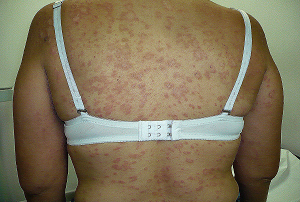


.png)